

 English - EN
  繁體 - ZH-TW
  简体 - ZH-CN
  Español - ES
  日本語 - JA
  العربية - AR
  Русский - RU
  Français - FR

What is a V-ring Seal?
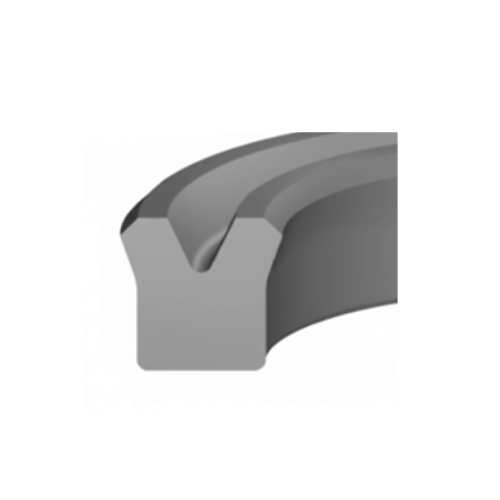
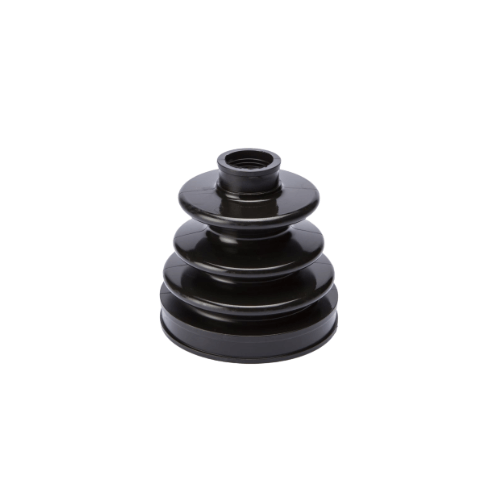
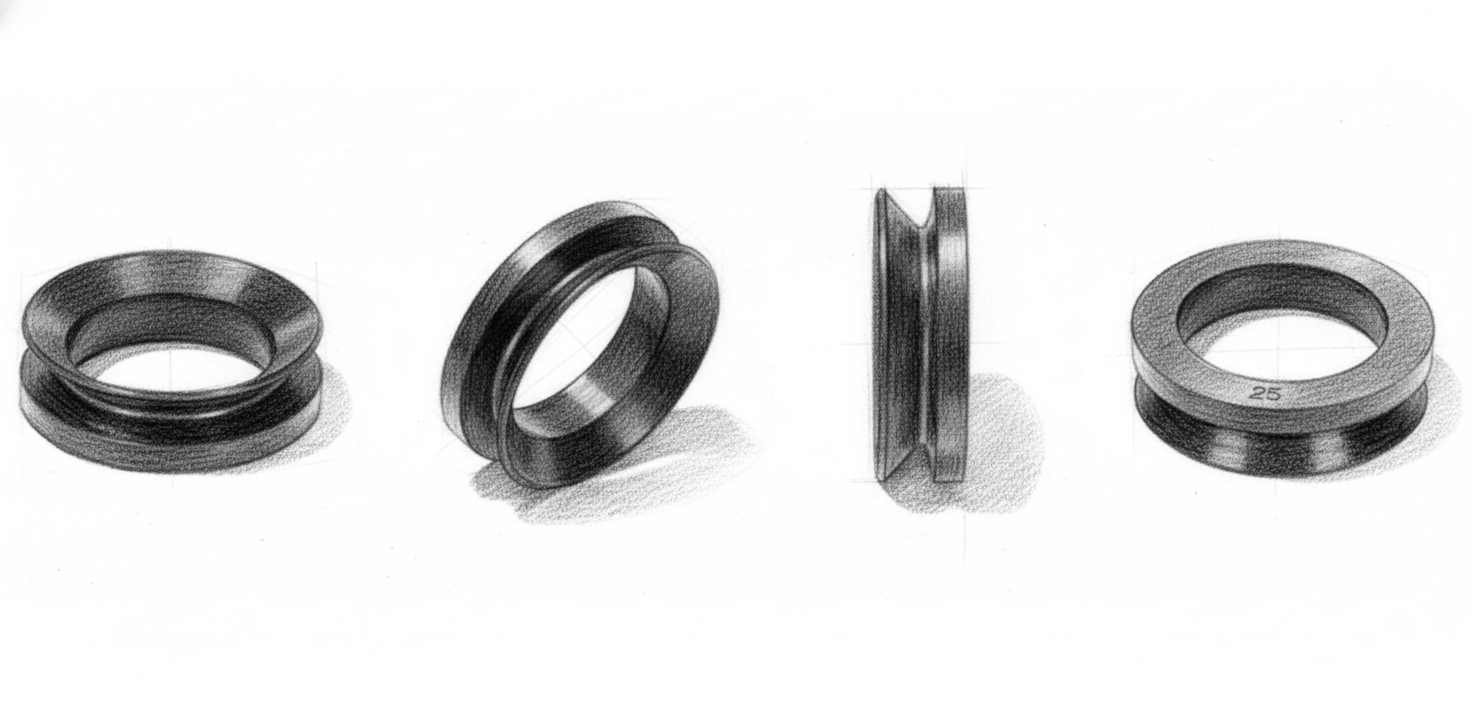
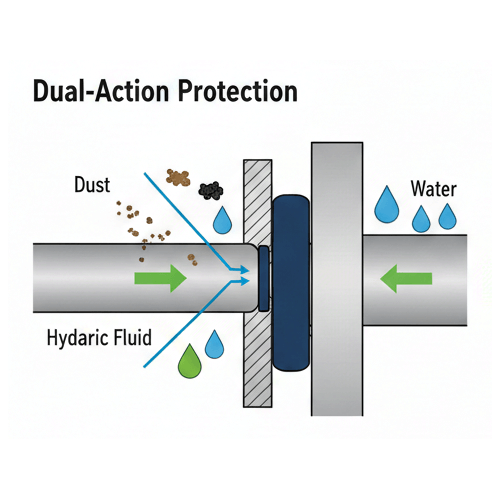
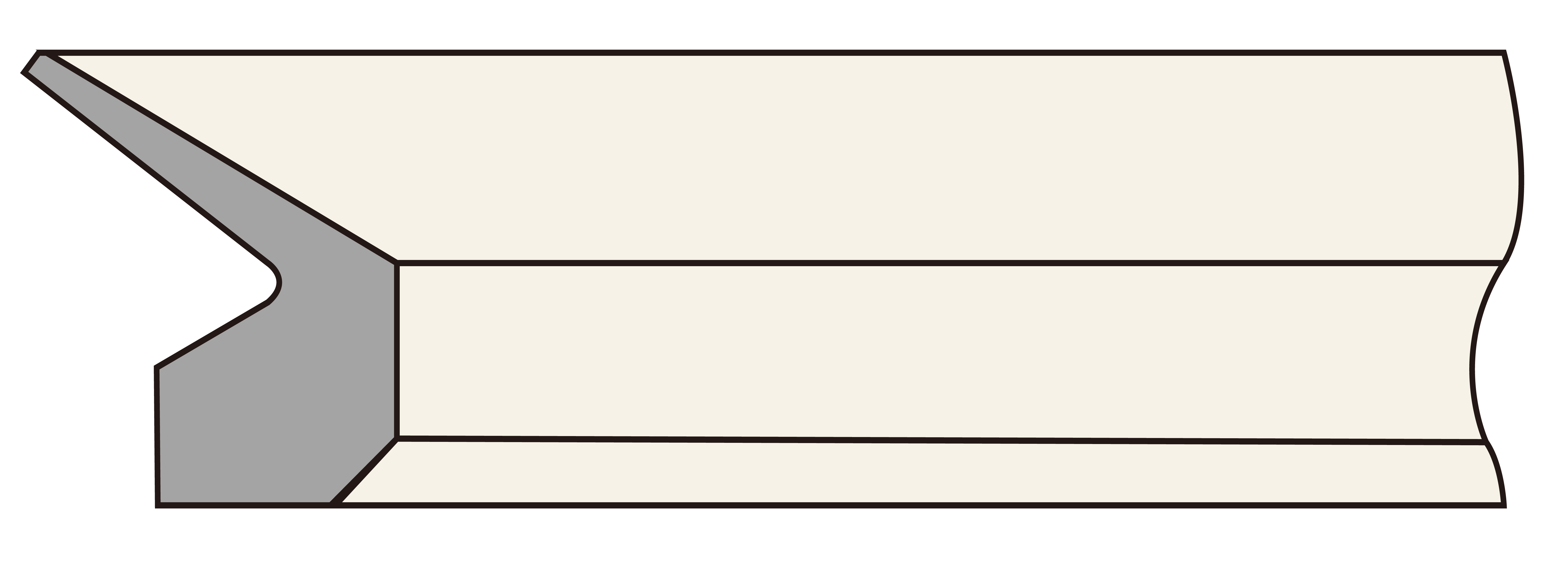
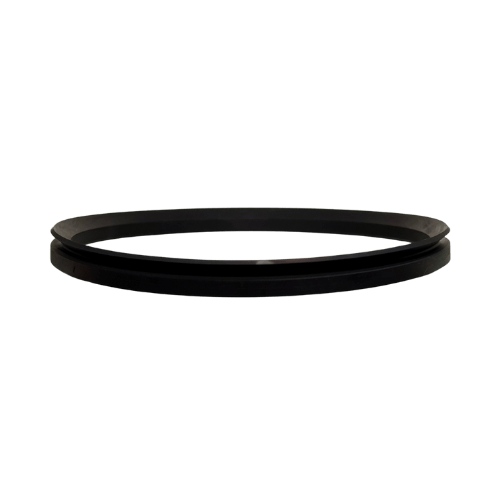
A V-ring is a unique, all-rubber axial face seal designed to protect bearings and mechanical components from external contamination while retaining lubricants.
Unlike radial oil seals, the V-ring is mounted directly onto the rotating shaft and seals axially against a stationary counterface, providing a versatile and cost-effective barrier for harsh environments.
Core Performance Advantages
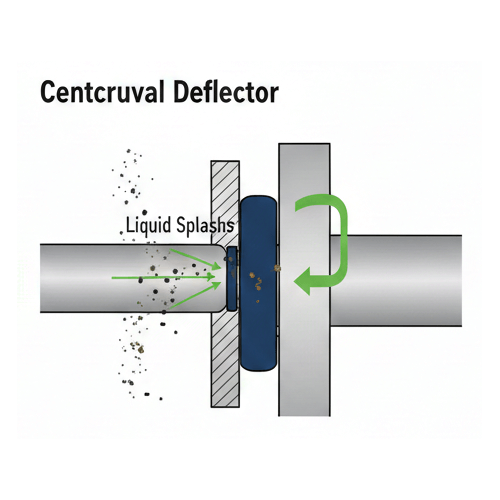
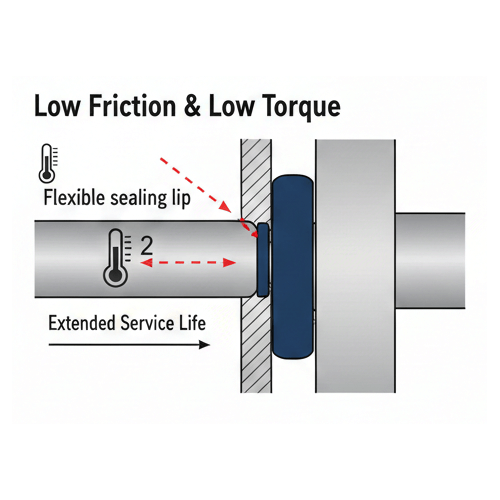
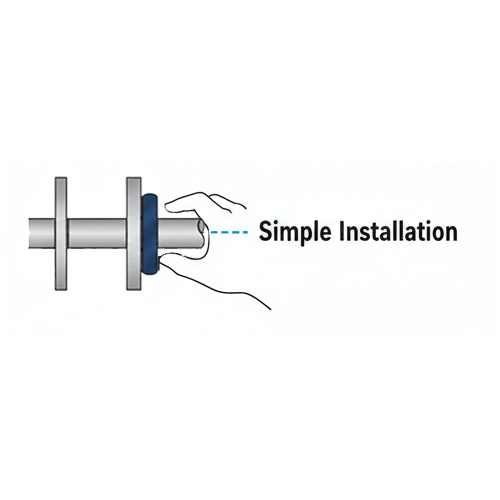
Pro Tip: Since V-rings rotate with the shaft, the sealing lip pressure actually decreases as centrifugal force increases at high speeds, further reducing friction while maintaining effective debris deflection.
Common Types of V-Rings (Axial Face Seals)
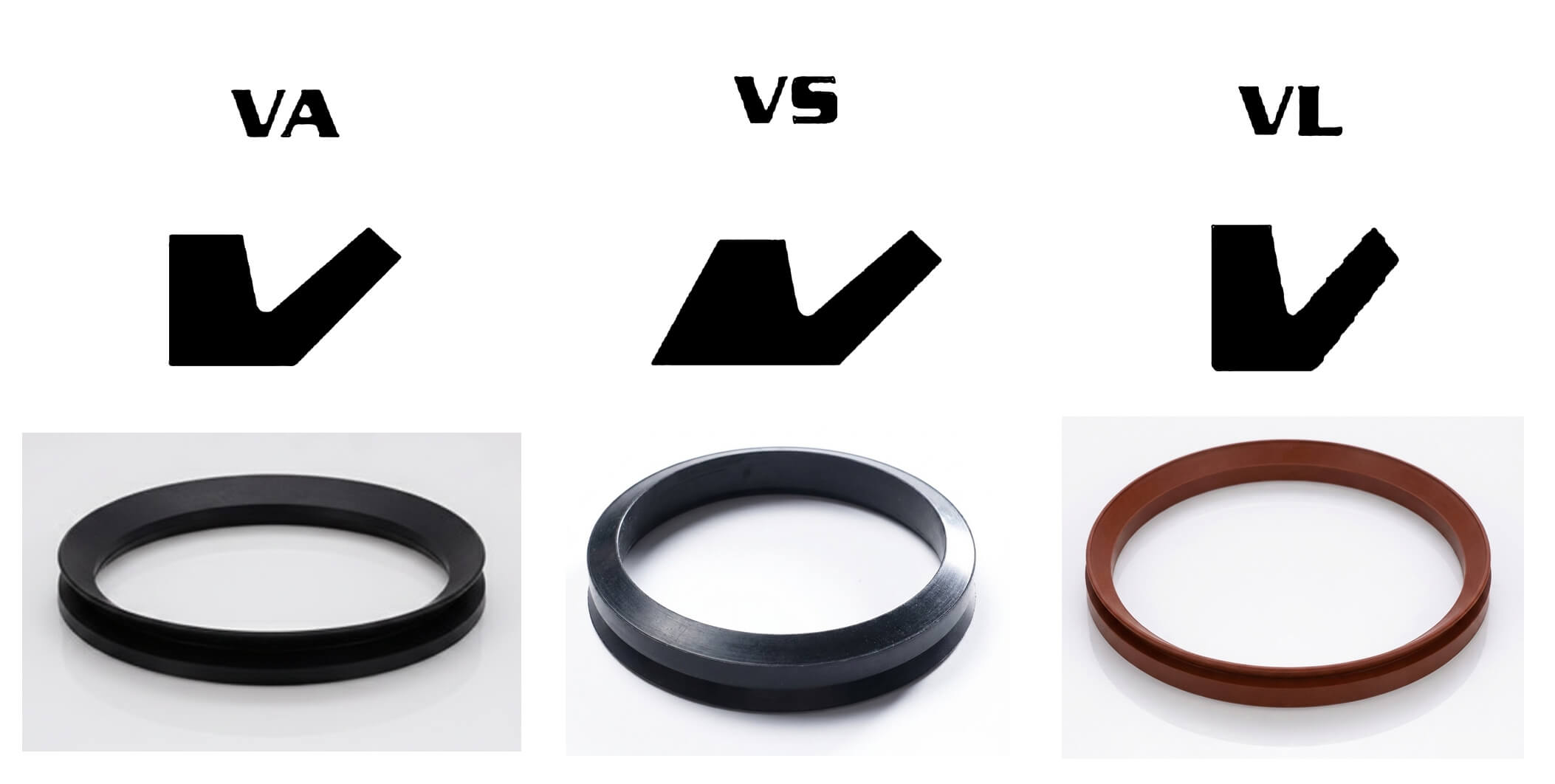
V-rings are available in various profiles to meet specific industrial requirements, ranging from standard electric motors to heavy-duty industrial machinery.
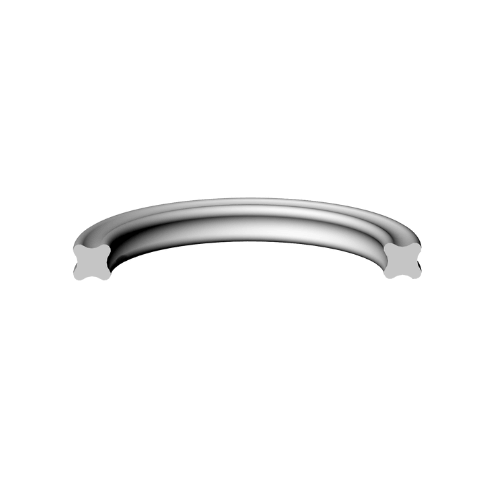
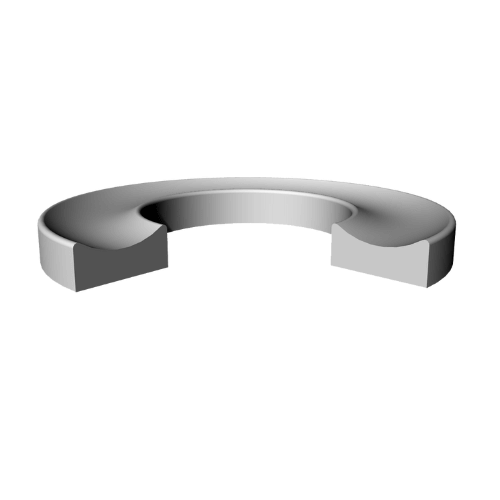
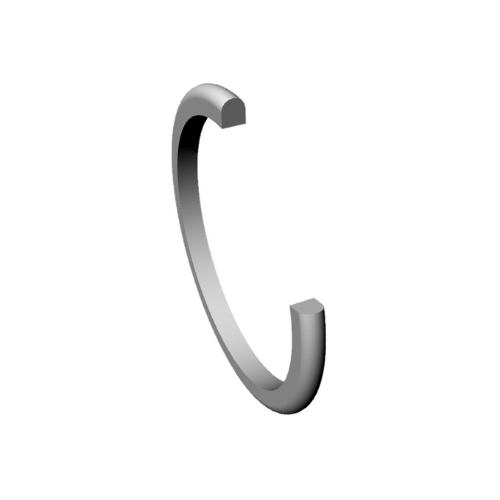
| Comparison | Type VA Standard Profile |
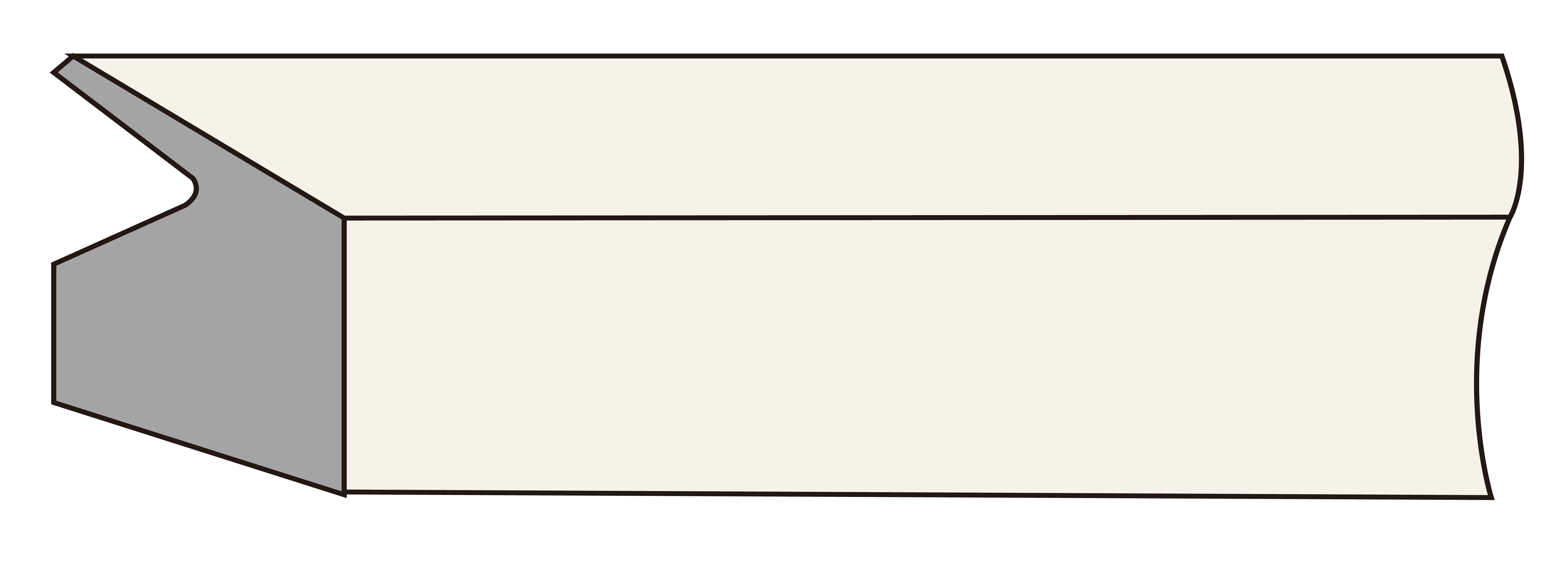
Type VS Wide Body |
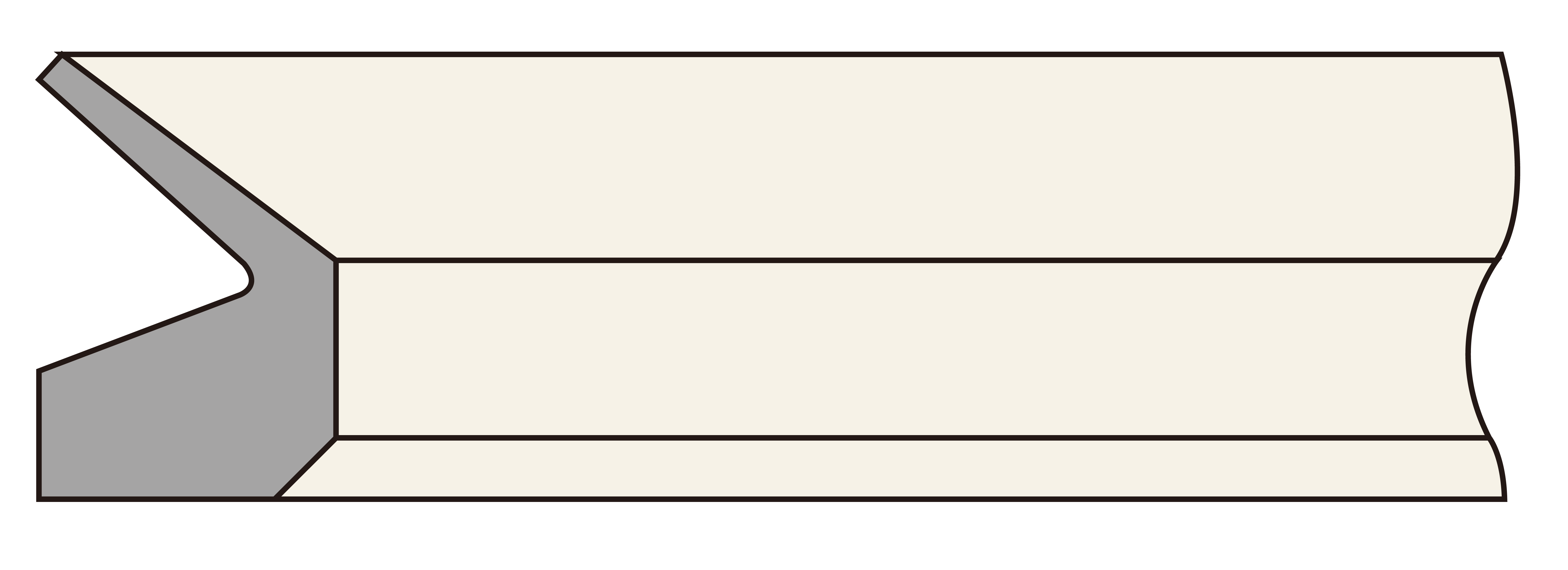
Type VL Low Profile |
Type VE Heavy Duty |
|---|---|---|---|---|
| Cross-Section | 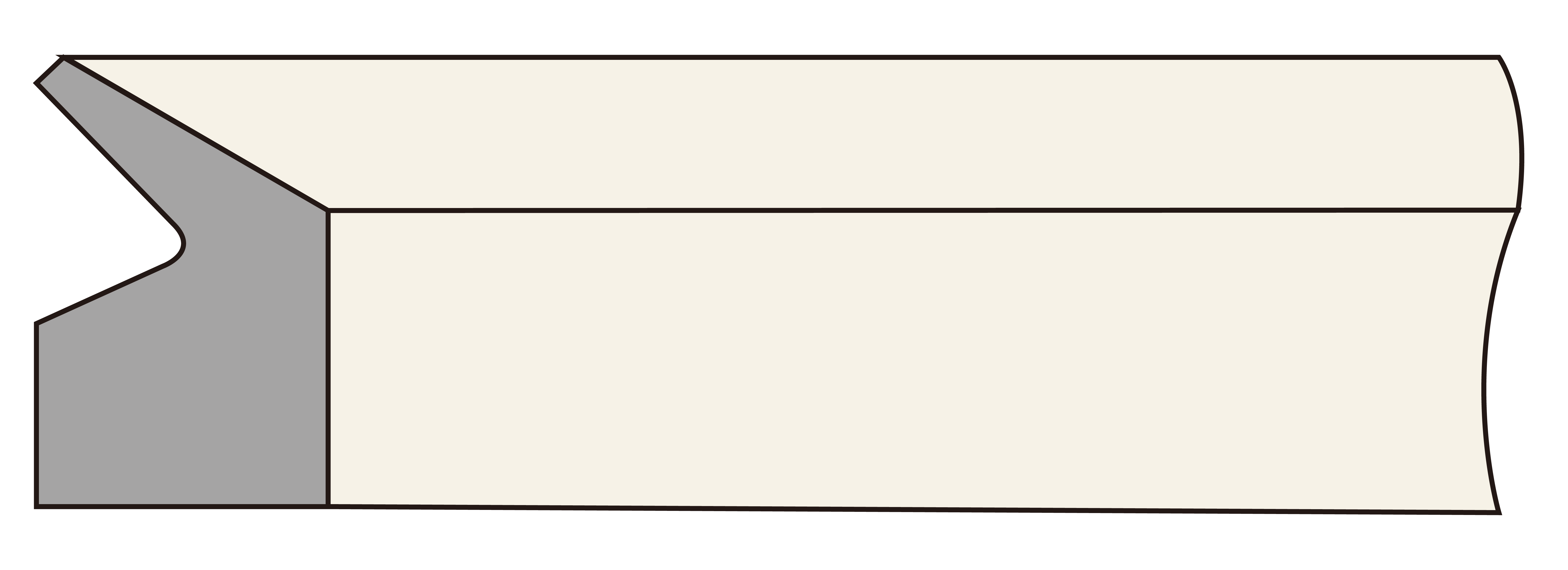 |
 |
 |
 |
| Design Features | Universal Design: Standard tapered lip. Simple & effective. | High Rigidity: Wider body for increased shaft contact area. | Ultra-Thin: Minimal axial width. Ideal for tight spaces. | Reinforced: Thickened zone for max clamping & stability. |
| Best For... | Motors, gearboxes, water pumps. | Agricultural machines, drive shafts. | Labyrinth seal replacement, compact hubs. | Steel mills, high vibration environments. |
| Size (I.D.) | Ø 2.5 ~ 810 mm | Ø 4 ~ 180 mm | Ø 99 ~ 540 mm | Ø 450 ~ 550 mm |
V-Ring Type Selection
V-Ring Performance & Design Comparison
| Feature | Key Advantages | Technical Limitations |
|---|---|---|
| Installation & Maintenance | Extremely Easy Assembly Stretched directly onto the shaft without disassembling complex components. |
Space Allocation Requires a fixed vertical counterface and adequate axial installation space. |
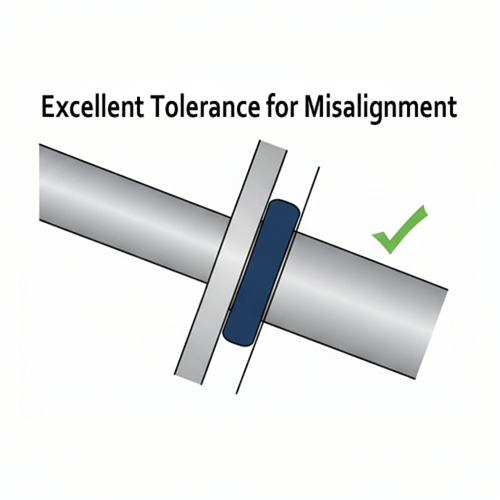
| Operating Adaptability | High Tolerance Insensitive to shaft eccentricity or run-out; maintains a stable seal. |
Speed Limits Centrifugal effects increase wear at high speeds (Recommended: 10–20 m/s). |
| Pressure & Protection | All-in-One Defense Simultaneously blocks dust, dirt, and water splashes. Excellent "pre-seal" solution. |
Pressure Handling Only for pressureless environments (limit below 0.5 bar). |
| Lifespan & Friction | Low Running Friction Minimal contact pressure reduces heat generation and extends service life. |
Surface Quality Counterface must be smooth (Ra 0.5–1.6) to prevent premature lip abrasion. |
V-Rings offer excellent cost efficiency because they do not require high-precision machined grooves. However, ensuring proper elastomer selection (NBR vs. FKM) based on your chemical environment is critical for ROI.
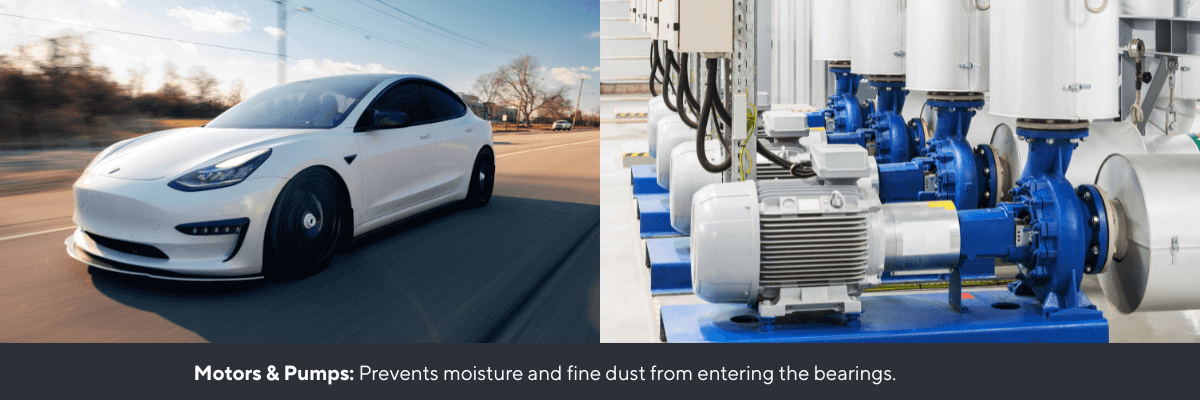
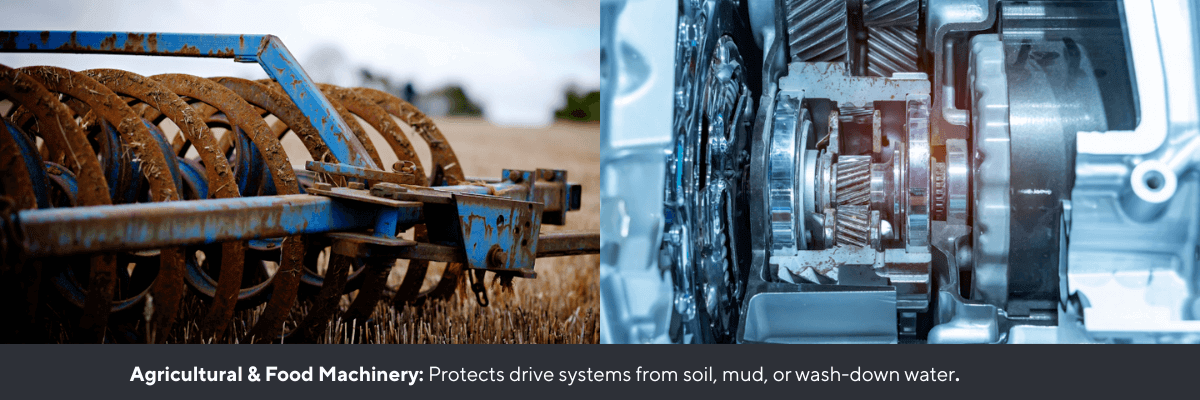
V-Ring Typical Applications
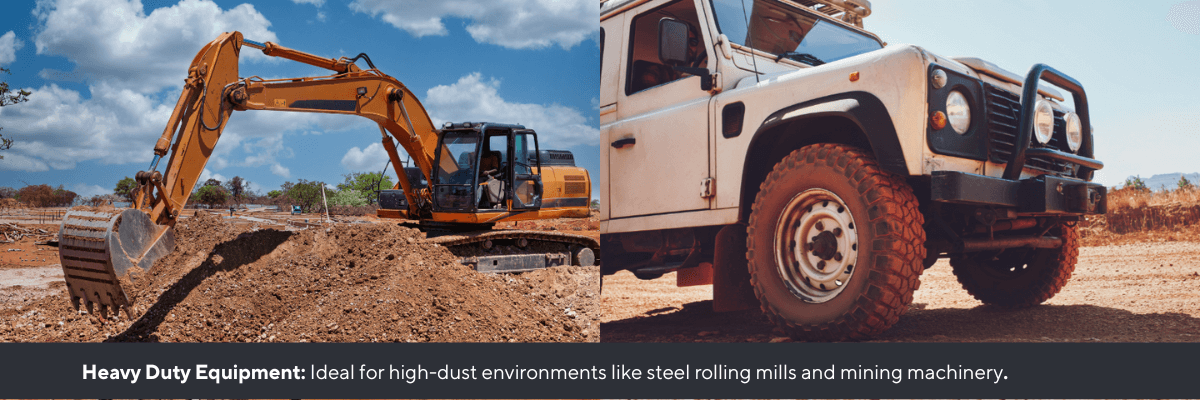
V-Ring (Axial Face Seal) FAQ
Technical Support & Engineering Insights
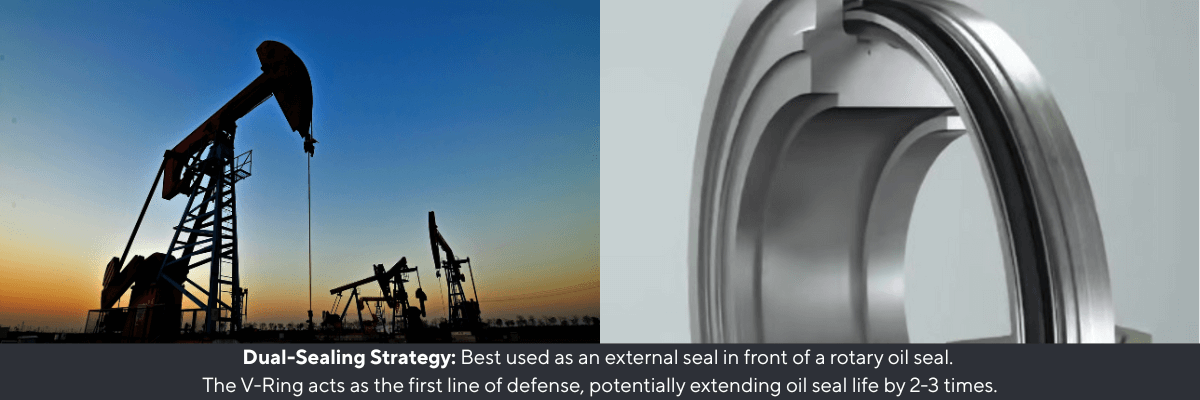
Q3: Why use a V-Ring combined with a Rotary Oil Seal?
This "Double Protection" strategy can extend equipment life by 2 to 3 times:
Blocks 90% of external dust and moisture.
Stays clean and focused solely on oil retention.
Q4 : Pressure and Speed Limits
⚠️ Pressure: V-Rings are for pressureless environments only (max 0.5 bar).
⚠️ Speed: Optimal at 10–20 m/s. Above this, centrifugal force may lift the lip. Use FKM (Viton®) for high-speed demands.