

 English - EN
  繁體 - ZH-TW
  简体 - ZH-CN
  Español - ES
  日本語 - JA
  العربية - AR
  Русский - RU
  Français - FR
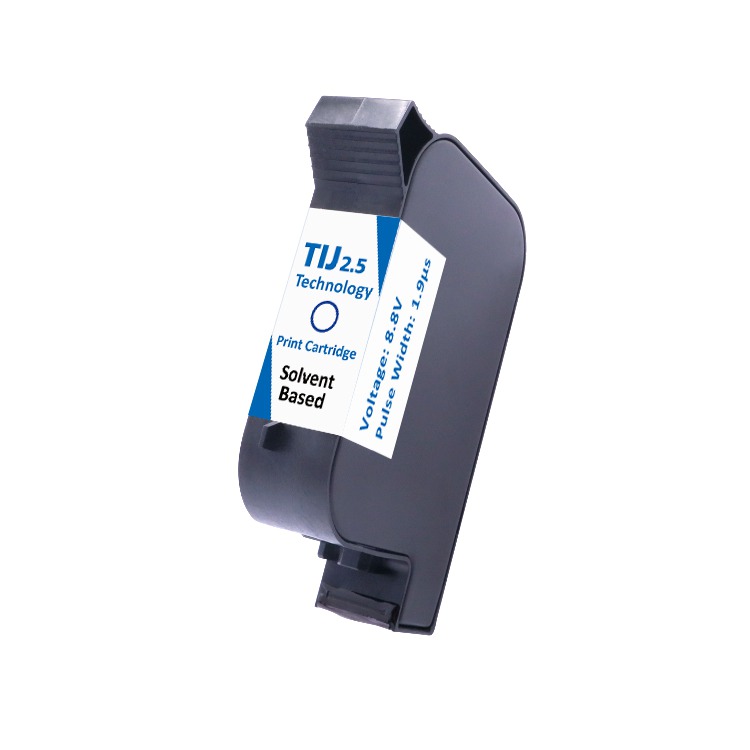
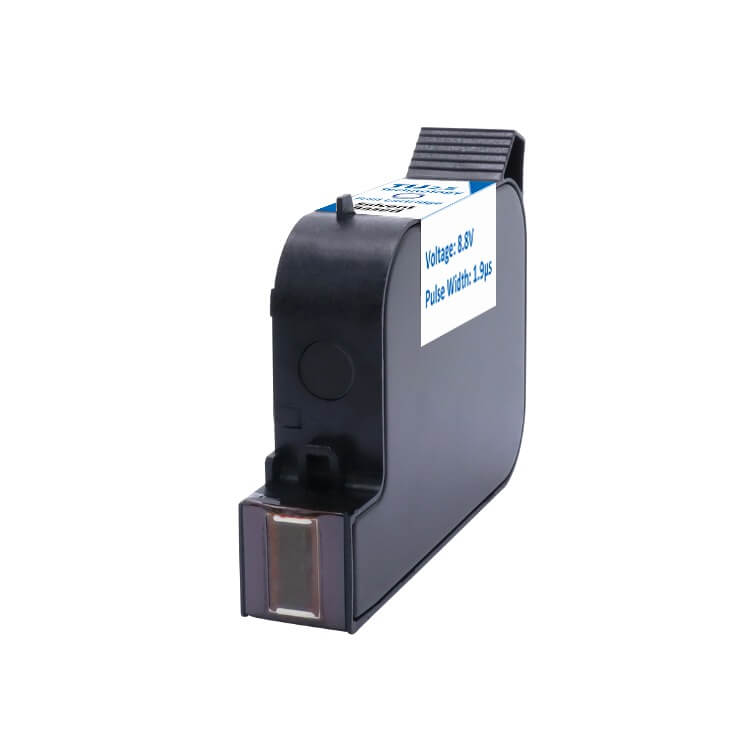
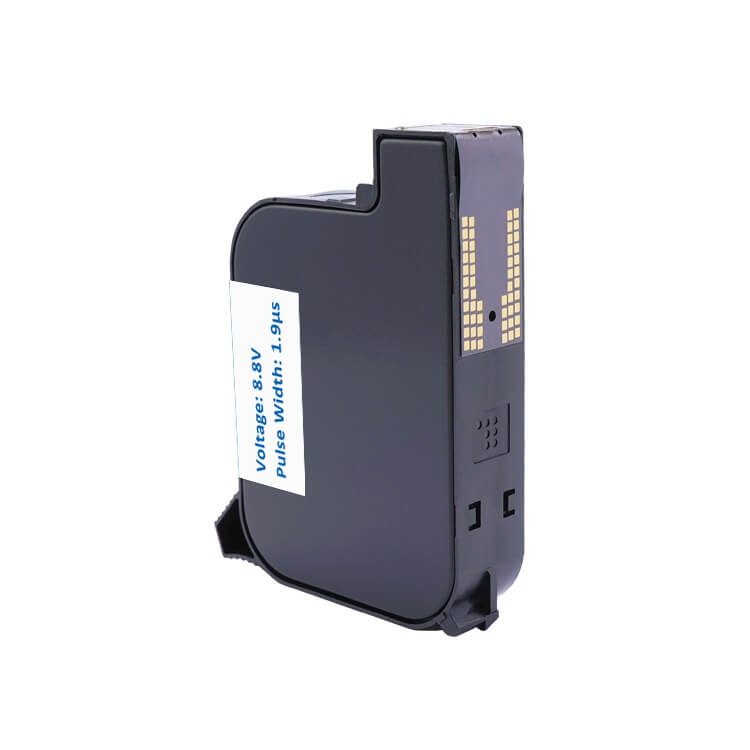

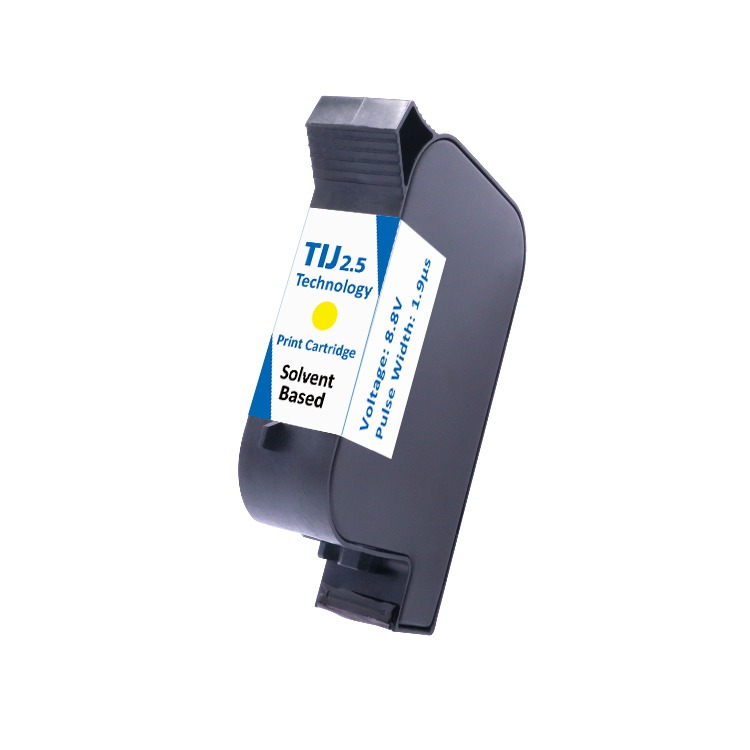
UP-S45WVB
Adding an invisible ink marking to product or hang-tag labels helps prevent parallel imports and counterfeit goods from circulating in the market.
UV Fluorescent Solvent-Based Ink
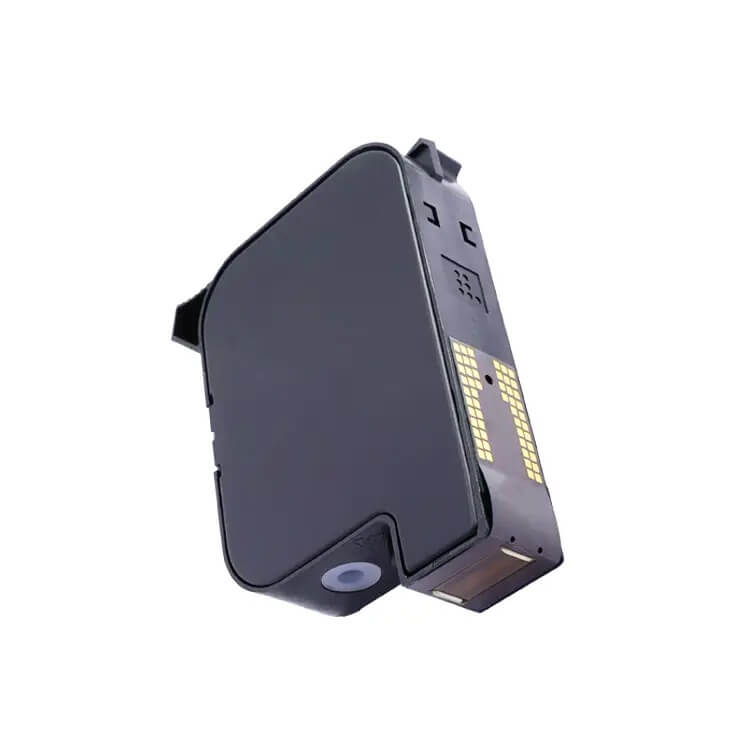
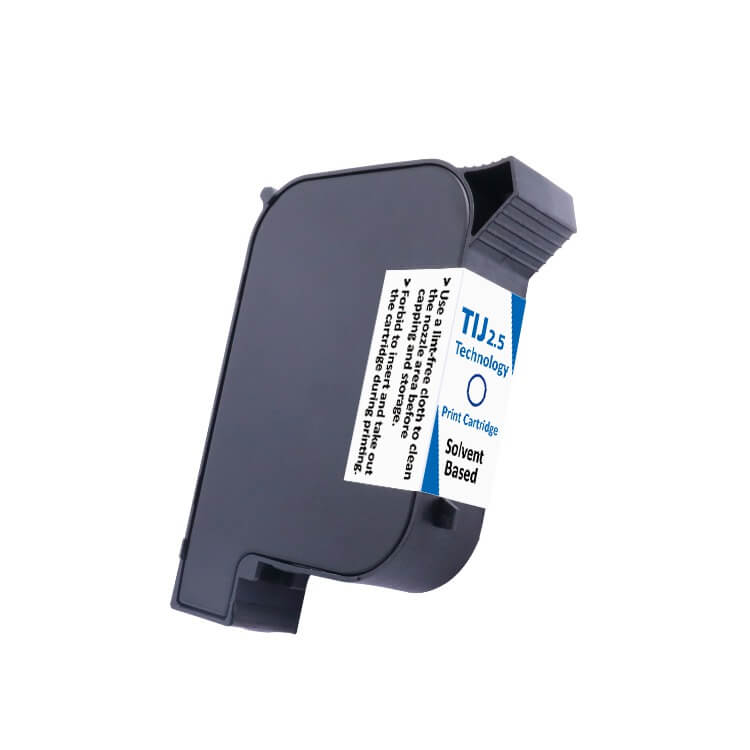
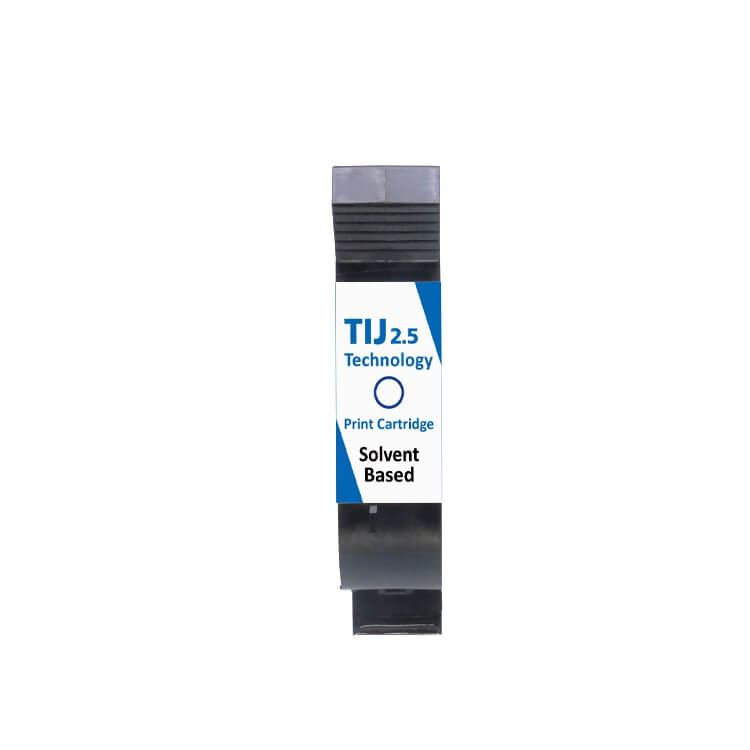
UP45 Half-Inch 42 ml Invisible Blue Solvent-Based TIJ Industrial Ink Cartridge
Compatible with HP 2580/2590|Fluoresces Blue Under UV Light|Covert Security Codes and Channel Tracking
Product Features
The UniPlus half-inch invisible blue solvent-based cartridge leaves virtually no trace under ordinary lighting; the blue fluorescent characters appear only under a UV lamp. Traceability codes and authorisation data sit on the existing packaging surface without taking up design space, and counterfeiters cannot easily determine where the covert code is or what it says.
Product Specifications
| Product Name | UP45 Half-Inch 42 ml Solvent-Based TIJ Industrial Ink Cartridge (Invisible Blue) |
|---|---|
| Printing Technology | TIJ 2.5 Thermal Inkjet Technology |
| Ink Type | Solvent-Based |
| Capacity | 42 ml |
| Print Height | Half inch / 12.7 mm / 1.27 cm |
| Dimensions | 9.5 x 6 x 2 cm |
| Weight | 121 g |
| Print Resolution | Up to 600 DPI |
| Drying Time | 2 to 5 seconds (varies with substrate and ambient temperature) |
| Compatible Equipment | Non-encrypted handheld inkjet printers/inline TIJ coders |
Advantages of the UP45 Half-Inch Invisible Blue Solvent Cartridge
1. Blue Fluorescent Marking Appears Under a UV Lamp
Under normal lighting the printed content leaves virtually no trace; the blue fluorescent marking only appears under ultraviolet light, typically at a 365 nm wavelength. Inspectors need nothing more than a handheld UV lamp to read it on the spot, keeping equipment costs low and deployment quick.
2. No Impact on Packaging Design
Luxury goods, cosmetics and gift packaging demand a flawless finished appearance, and visible markings usually have to work around the design. An invisible marking can be printed on the outer box, the seal or the label area without sacrificing layout to traceability requirements.
3. Region-Specific Covert Codes Trace the Source of Cross-Border Sales
By printing a different covert code for each distribution territory, any cross-border selling or parallel importing that surfaces on the market can be traced back to the shipment batch and its route with a quick UV check — useful supporting evidence for channel management and contract enforcement.
4. A Two-Layer Marking Structure Combining Visible and Covert Codes
A production line can run two printheads to apply the consumer-facing date and batch code alongside an internal covert code at the same time. The two layers serve different audiences without interfering with each other, and counterfeiters must replicate both sets of rules, raising the barrier considerably.
5. Batch-Controlled Fluorescence for Comparable Inspection Brightness
The real value of invisible ink lies in consistent colour development: fluctuating brightness leaves front-line staff unable to tell whether a covert code has failed or was never there. This product is filled into brand-new cartridges with batch control over the fluorescent formulation, so inspection results from different periods rest on the same baseline.
Substrates Suited to Invisible Blue
Invisible blue suits applications that need traceability information added without altering appearance. Readability depends not only on adhesion but also on how the substrate itself fluoresces under ultraviolet light.
Commonly printable surfaces:
- Paper: standard card, laminated paper, glossy coated paper and kraft paper (low-fluorescence stocks read best)
- Labels and seals: synthetic paper labels, tamper-evident seals and label materials
- Plastics: PET, PP, PE, ABS and PVC packaging components
- Films: OPP film, shrink film and flexible packaging seal areas
- Metal and glass: aluminium foil, laminated metal and clear glass containers
- Leather and selected synthetic materials (luxury accessories and packaging linings)
Please note: paper containing optical brightening agents glows a blue-white across the whole sheet under a UV lamp, which dilutes the contrast of invisible blue characters. For these materials we recommend evaluating invisible red instead. Dark and high-gloss surfaces may also affect how the fluorescence appears. Surface material, coatings, temperature and humidity all influence adhesion and drying performance.
Invisible Blue vs. Invisible Red Solvent Ink Cartridges Comparison
The difference between the two invisible inks comes down to the fluorescent background of the substrate.
| Invisible Blue (this product) | Invisible Red | |
|---|---|---|
| Colour under UV light | Blue fluorescence | Red-orange fluorescence |
| Standard paper, plastics, films | Clearly readable | Clearly readable |
| White paper with optical brighteners | Blue-white background glow; invisible red recommended instead | Distinct hue from the blue-white background, easier to read |
| Deep red, orange and highly reflective substrates | More stable readability | Reduced contrast; invisible blue recommended instead |
| Typical layered use | Manufacturing and batch data | Channel and authorisation data |
For full series specifications, see the UP45 Half-Inch 42 ml Solvent-Based TIJ Industrial Ink Cartridge series overview.
Compatibility Check
The half-inch invisible blue solvent-based ink cartridge is compatible with most non-encrypted half-inch coding systems on the market. Besides replacing the common HP 2580 and HP 2590 cartridges, it also suits a wide range of handheld and inline TIJ coders.
Purchasing scenarios particularly suited to invisible blue:
Counterfeit goods circulate widely, and brand owners have no straightforward way to mark packaging against them. Visible markings are easily copied by counterfeiters, and brand reputation suffers as a result.
Brand owners and sole agents that need to prevent parallel imports; tobacco, alcohol and luxury packaging companies; parts suppliers and warranty management teams that must verify original manufacturer authorisation; and organisations that print and issue tickets, credentials and other important documents.
Use and Storage Recommendations
Storage conditions:
- Avoid direct sunlight
- Keep away from environments with excessive dust
- Do not store upside down for extended periods
Usage:
- When pausing use, refit the cartridge into its protective clip so the printhead is not left exposed for long periods
- Use within six months of opening
- Even with no immediate printing requirement, run a test print roughly every two weeks and confirm normal colour development with a UV lamp
- Keep the covert code position fixed and known to only a small number of staff; moving it around adds search time during inspection
- Ink is not edible. Keep out of reach of children; avoid contact with skin and eyes and rinse promptly with clean water in case of contact
FAQ
What equipment is needed to see content printed with invisible ink?
A handheld ultraviolet lamp at a 365 nm wavelength is generally all that is required — inexpensive and compact enough for inspectors to carry into retail locations or warehouses.
Inline automated reading calls for three things to be confirmed first: whether the light source wavelength falls within the invisible ink's range, whether the lens needs a filter, and whether exposure time is sufficient at line speed. These parameters need on-site testing and calibration, together with a verification station built around a UV light source and an industrial camera.
The characters are hard to read under UV light on a white carton — what should I do?
Most white card stock has brightening agents added during manufacture, so the entire sheet glows blue-white under a UV lamp and the blue fluorescent marking gets diluted by the background.
In this situation we recommend switching to invisible red ink. Red-orange fluorescence sits in a different hue from the blue-white background, so the characters stay relatively distinct however bright the background becomes.
Will the covert code fade over time or wipe off?
Under normal storage conditions, printed content offers water and abrasion resistance comparable to other solvent-based inks and is not easily removed by light wiping.
We do not recommend applying invisible codes to outer packaging surfaces that will be exposed outdoors for long periods, as fluorescent components gradually degrade under prolonged direct ultraviolet exposure. Prolonged wiping with alcohol or solvent-based cleaners may also remove content from certain substrates.
Invisible Blue
関連製品 / UNIPLUS TECHNOLOGY CORPORATION
Uniplus TIJ Solvent Ink
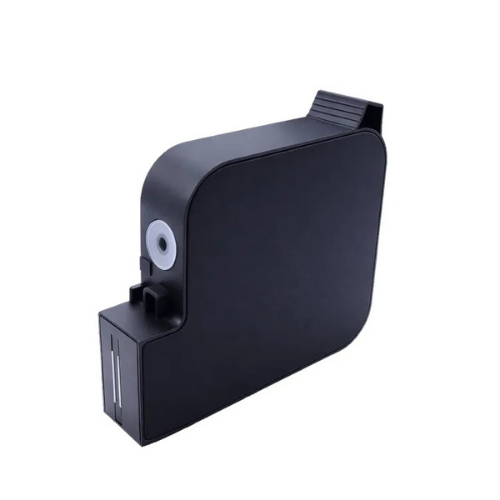
1-Inch Empty Solvent Ink Cartridge
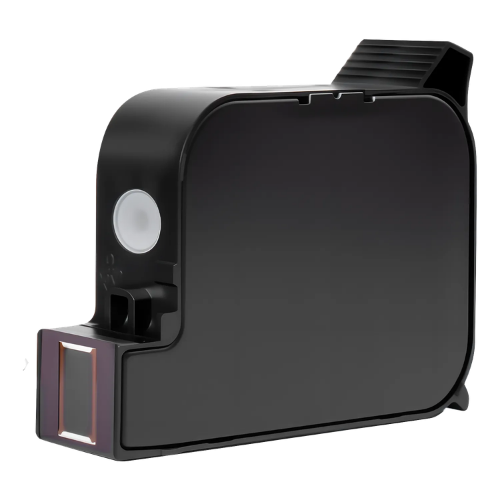
0.5-Inch Empty Solvent Ink Cartridge
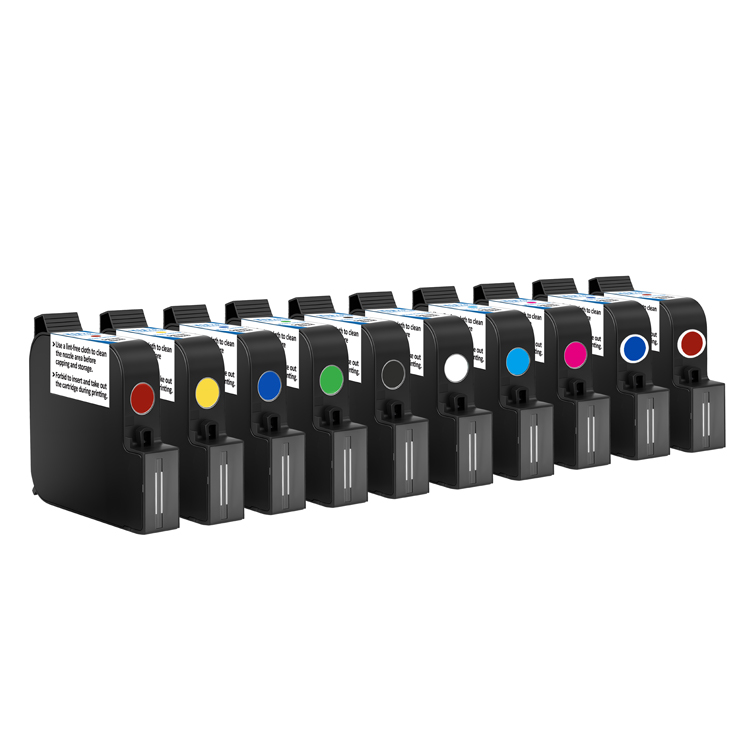
UP45 1-Inch 60ml Solvent-Based TIJ Industrial Ink Cartridge
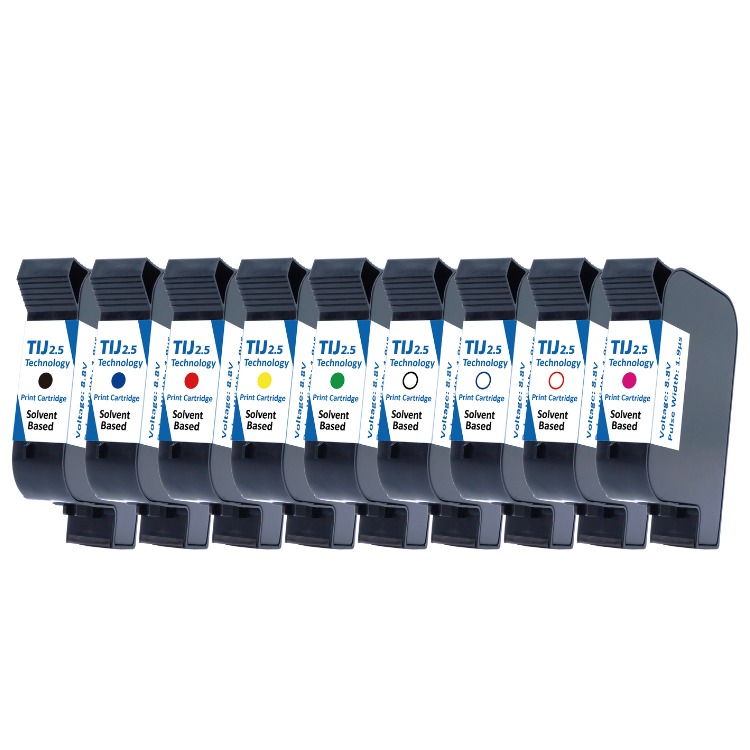
UP45 Half-Inch 42 ml Solvent-Based TIJ Industrial Ink Cartridge
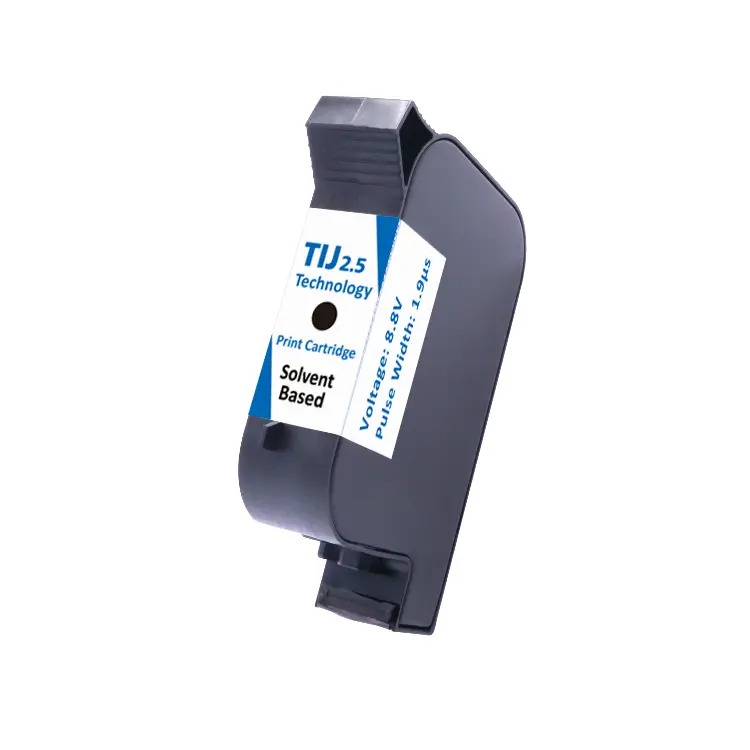
Black Half-Inch Solvent TIJ Cartridge
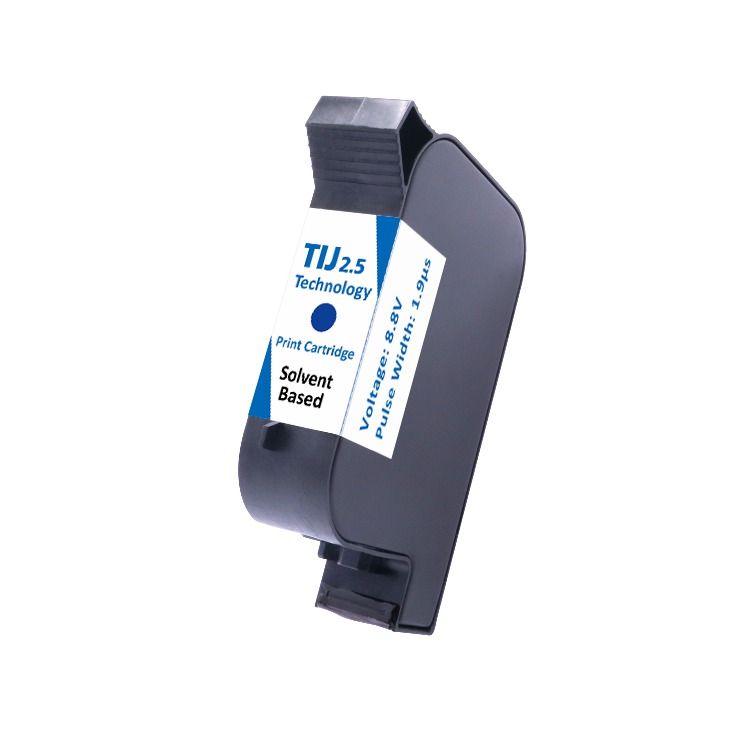
Blue Half-Inch Solvent TIJ Cartridge
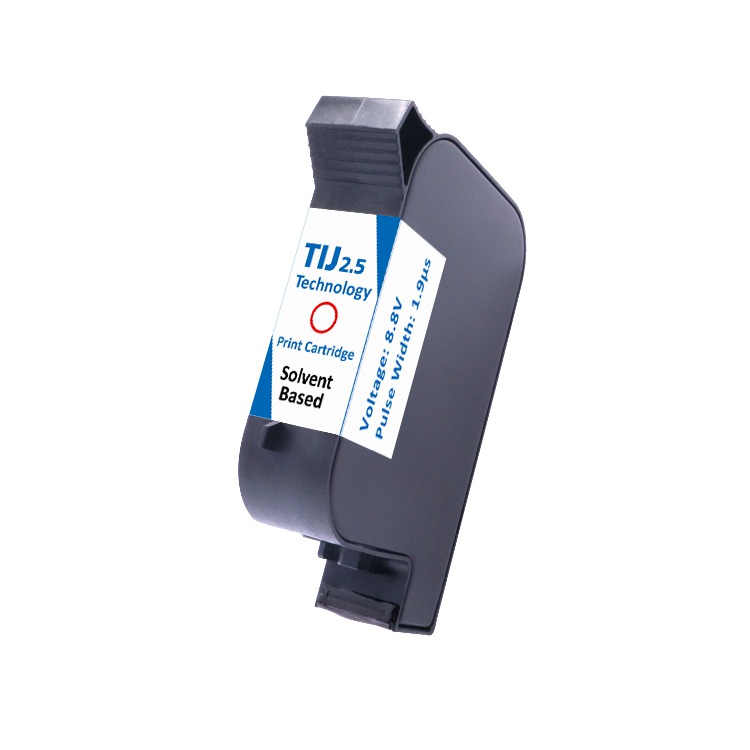
Invisible Red Half-Inch Solvent TIJ Cartridge
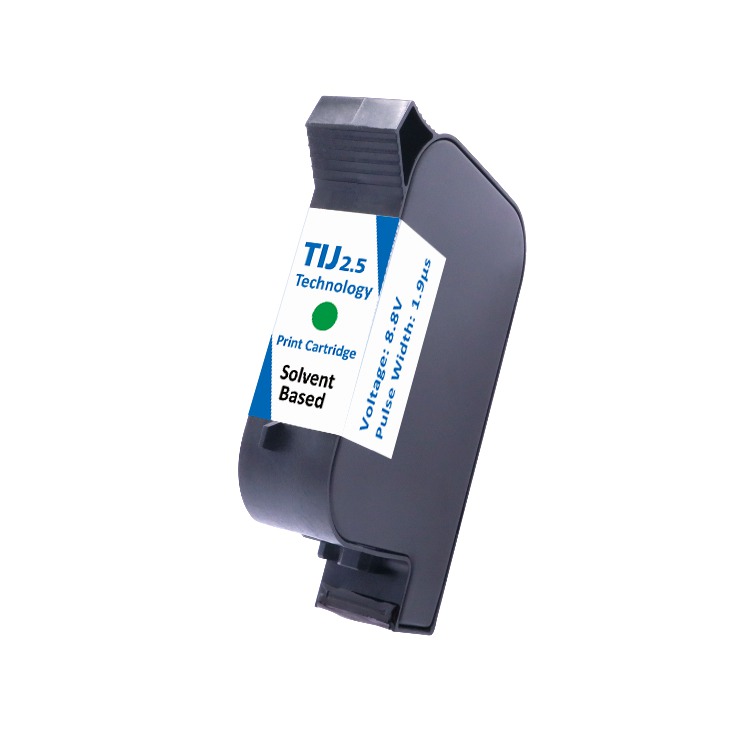
Green Half-Inch Solvent TIJ Cartridge