

 English - EN
  繁體 - ZH-TW
  简体 - ZH-CN
  Español - ES
  日本語 - JA
  العربية - AR
  Русский - RU
  Français - FR

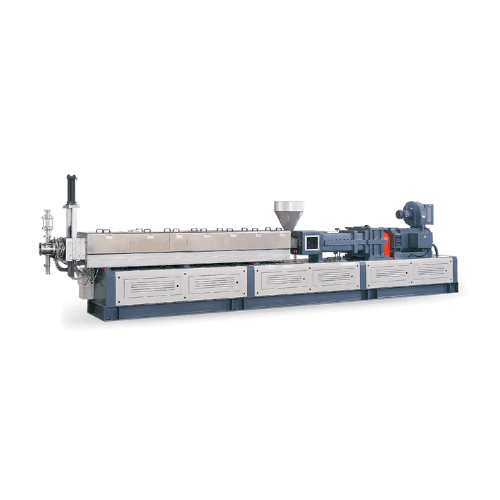
CM-MTE CO-ROTATING TWIN SCREW EXTRUDER
1.Screw elements can be arrange for different resin characters. 2.Twin screw is co-rotating. Resin result excellent quality through high share in dispersion and mixing. 3.Application: concentrate masterbatch, black/white masterbatch, filler, compounding, color materbatch.

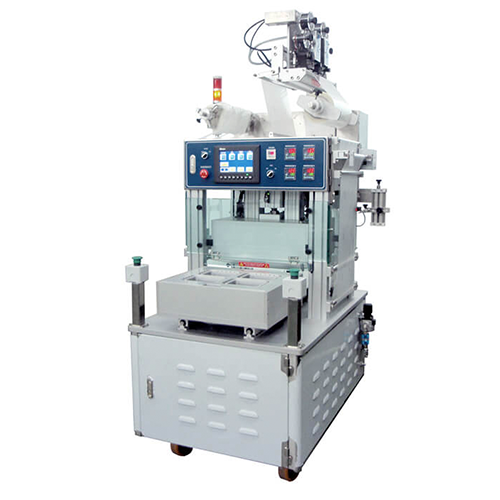
FLOOR MODEL VACUUM MAP-VG-70
カテゴリー : シーリング機械
1. Cutting attachment (trims seal edge up to 2mm). 2. Easy-to-move lockable trolley design.

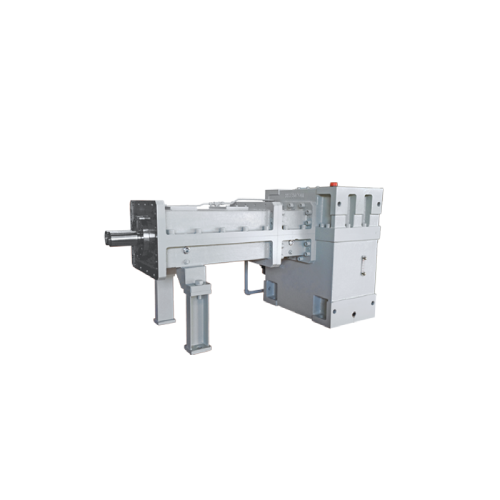
二軸押出機-逆回転タイプ
カテゴリー : 変速機・モーター・駆動システム
(1)TBシリーズツインスクリューギア減速機の共回転タイプと逆回転タイプは、どちらも入力要素と出力要素で構成されています。特にスラストベアリングプラスフランジ付きの出力側は、押出機による軸方向圧力を吸収するために高圧がかかる可能性があります。 (2)AGMA基準に従い、低炭素合金鋼棒鋼材料を採用した歯車要素を設計します(通常はSCM420または同じレベルです)。浸炭熱処理後、歯車表面研削処理を施した後、精度はAGMA 10レベルに達し、運転中の低騒音、低摩耗、高効率を確保します。 (3)#294シリーズ軸方向自動調心ローラータイプと多列積層タンデム軸受パッケージを備えたスラスト軸受で、低摩擦の重い軸方向荷重容量の利点があります。
ABS材料用伝熱フィルム
カテゴリー : Flexible Packaging & Films
各種プラスチック製品、CDバレル、コンテナ、メタルアウターケース、ハウスウェア、ステーショナリー、ギフトなど。表面が滑らかでフラットである限り、デザインと製品を完全に組み合わせることができる限り、あらゆる種類のABSプラスチック製品が熱伝達を使用できます。 。熱転写フィルムはダイレクトプリントにはない機能がたくさんあります。熱転写フィルムと熱転写機を使用して、エレガントなデザインを製品に転写し、製品を高価値の商品にします。品質を向上させ、コストを削減し、利益を増やすことができます。



Hook and Loop Fasteners
カテゴリー : Industrial Adhesives
Reactive polyurethane Hot-melt Adhesives (PUR), its chemical structure of the NCO functional groups, and the moisture in the air crosslinking reaction, the formation of a great molecular weight of PU structure. Solid at room temperature before use must be put to the oven or other heating equipment to a certain processing temperature (about 80-150 ℃), then the processing, so-called reactive hot melt adhesives.

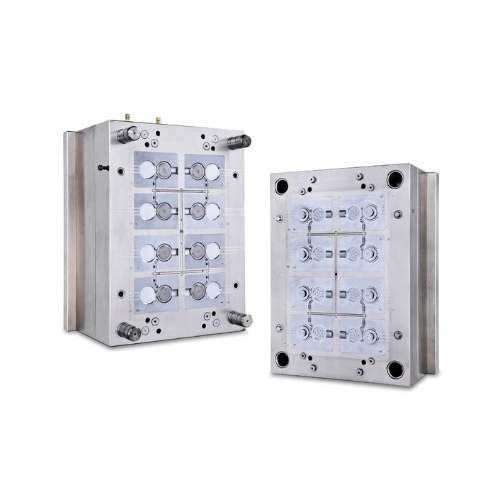
Pepper cap 8 holes
カテゴリー : 射出成形用金型
JIN CHIA HUNG specializes in the design and manufacturing of 8-hole pepper cap injection molds, offering complete mold configuration and production planning to reduce mold development and testing time. Made with premium German mold steel (such as SKD11), our molds deliver superior accuracy, long-term stability, and extended service life. Each mold is rigorously inspected before shipment, ensuring reliable quality for use in spice containers, food packaging, and kitchenware applications.


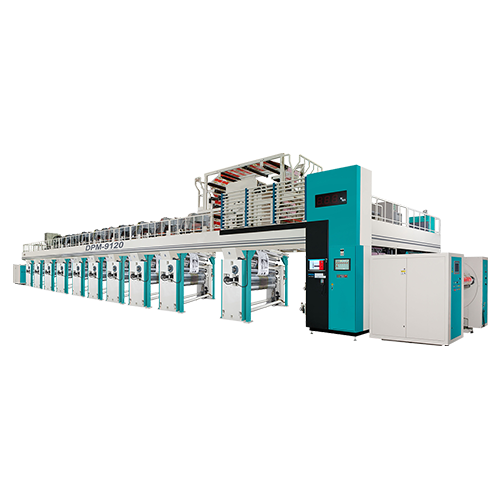
DPM-The Shaft Driven Press
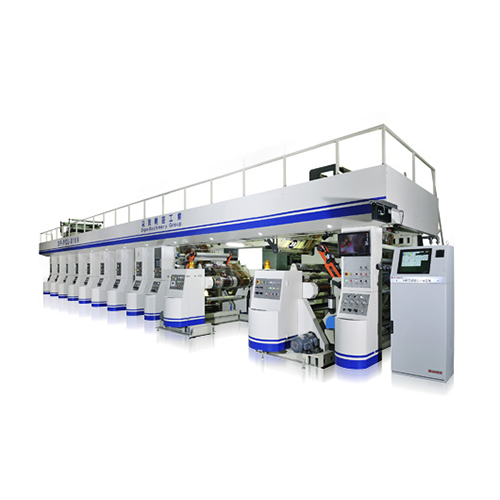
カテゴリー : グラビア印刷機
DPM ( The Shaft Driven Press) The press is an economical solution for gravure printers. This is the basic model in the rotogravure class. The press is driven by shaft for the registration control. If you are looking for a shaft driven rotogravure press, this is the press for you to customize
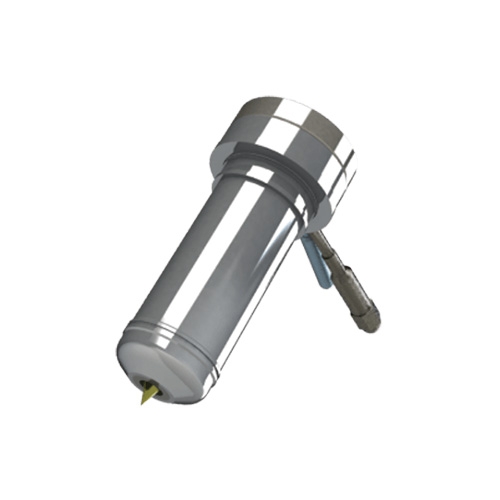
OPEN GATE-NL ANPT
カテゴリー : ランナーシステム
There is a torpedo inside the nozzle to have a circularity gate and guide the melt along the torpedo to flow into the cavity, and therefore can reduce the production of cool plug. This series is very popular for unapparent gate mark. When the melt has added with glass fiber and has strict requirement to the flow mark that will need more attention.

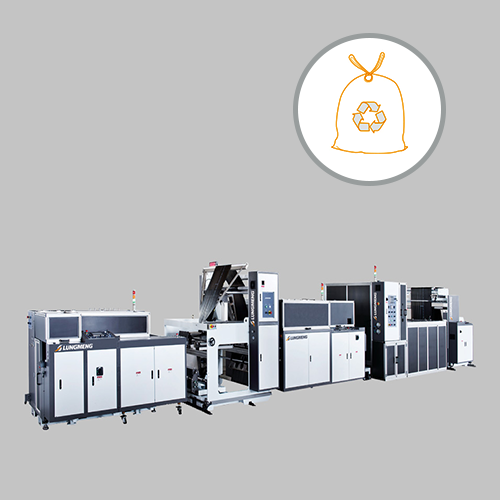
ロールコンバーティングシステムのインターリーブドローテープバッグ
カテゴリー : プラスチック袋製袋機
シリーズ:TA-IPD-S1ポリドローに適した高速統合型サーボ駆動システムとロール状の従来のゴミ袋。水平リップシール用ホットエアーシールシステムは、安定したシールを提供します。