

 English - EN
  繁體 - ZH-TW
  简体 - ZH-CN
  Español - ES
  日本語 - JA
  العربية - AR
  Русский - RU
  Français - FR

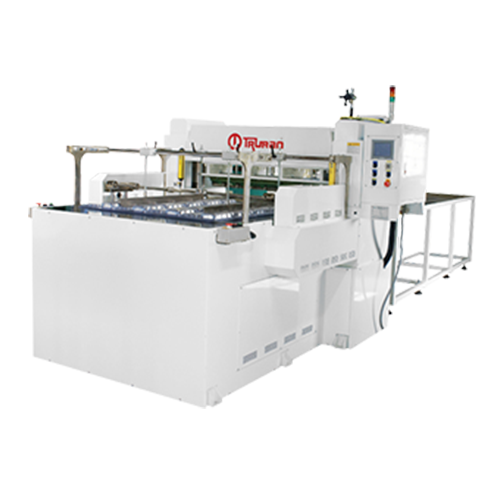
多層自動送り切断機VAC-310
カテゴリー : カッティングマシン
ダブルアクスル同期加圧機構:ダブル出力アクスルで加圧を行い、強力で安定した加圧能力を発揮します。自動送り機構:サーボ制御により、素材の幅や長さに応じた設定を行います。アライメントモールドシステム:材料を所定の位置に固定した後、同時切断プロセスを実行します。パラメータ保存システム:パラメータ管理を容易にするために、プロダクションフィギュアのモジュールベースのメモリを実行します。カッティングプレートターンテーブル機構:カット後のプレート使用率が95%以上になるようにオフセット長さを設定します。高効率ブースト回路:従来の回路に比べて消費電力を30%以上削減します。

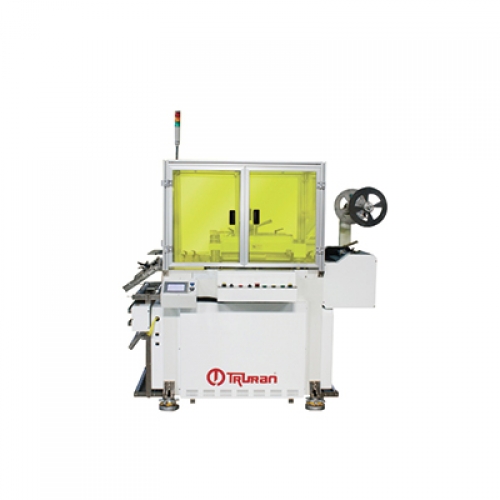
小型高精度自動切断機-APL-300
カテゴリー : カッティングマシン
●優れた設計と安定化された底部デッドポイント精度:特別に設計された機械構造と基本的な加工方法により、非常に高い切削精度と安定性を実現します。 ●ユーザーフレンドリーな操作インターフェース:長い教育とトレーニング時間を節約しながら、SOP管理を容易にするデジタル化されたパラメータ設定。 ●自動給油システム:自動給油システムにより、日常のメンテナンスが簡単になります。 ●切削深さ調整機構:完全にデジタル化された深さ調整により、便利で高速な調整を実現します。 ●フルカット・セミカット加工効果:切削深さを最小0.003mmに調整できるため、高精度でフルカット・セミカット加工が容易になります。 ●二次加工の柔軟性:ステーション間アライメント切削を実行するための柔軟性があります。 ●鋼型切断の柔軟性:鋼型のパンチングと切断をサポートします。
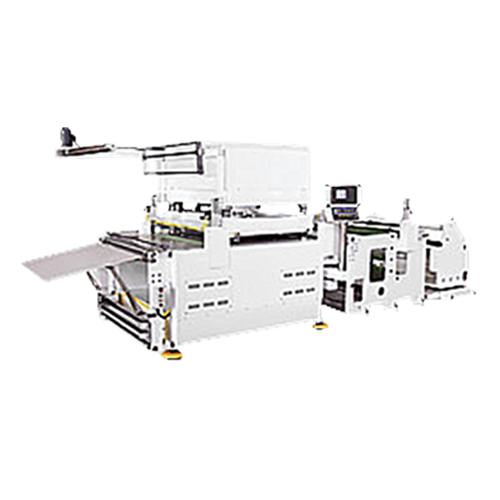
高精度自動カッターTRC-350
カテゴリー : カッティングマシン
自動ジャスティシング張力制御システム。このシステムは、巻線材料の設計を目的としているため、レシート制御がより安定してスムーズになります。優れた安定したボトムデッドセンター精度。特別に設計された特性と精密加工により、安定した切削精度が特徴で、完成品の歩留まりを100%向上させます。切削深さ調整機構。パラメンター入力とメモリモジュールを採用した設計で、操作が簡単です。フルカットまたはセミカットのモンデルに調整できるこのマシンは、セットアップが高速です。
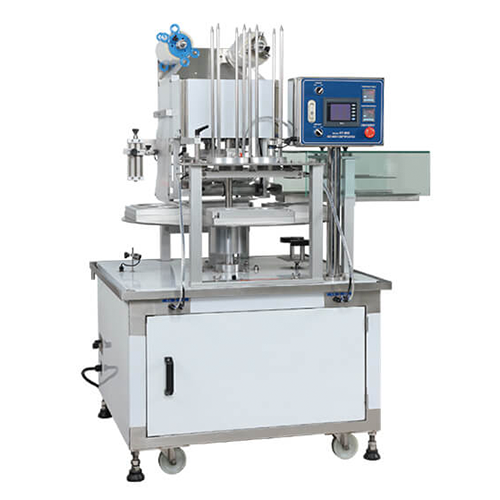
AUTO ROTARY SEALING MACHINE-ET-80
カテゴリー : シーリング機械
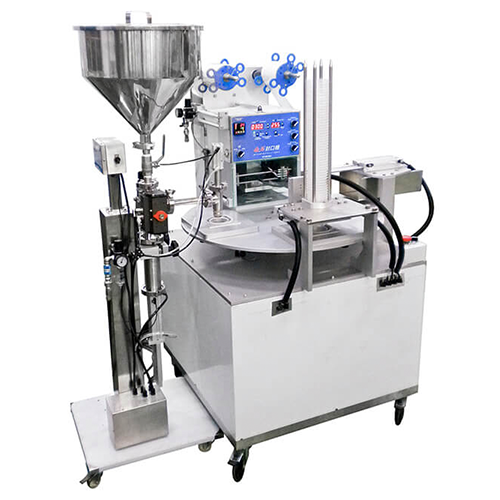
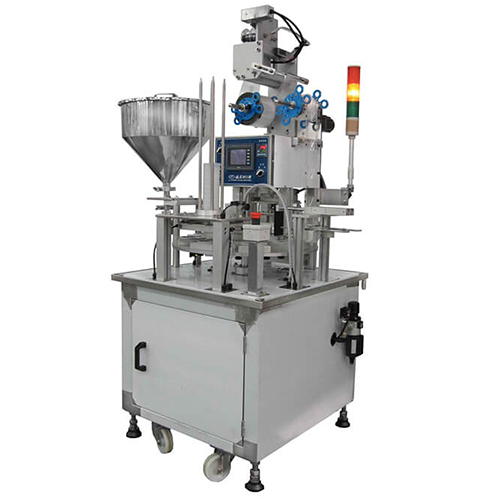
1. PLC with Index Gear Conveyor, Inverter Speed Control and Touch Screen Operation. 2. Stainless Steel frame and Anodized Aluminum.

AUTO ROTARY SEALING MACHINE-ET-85
カテゴリー : シーリング機械
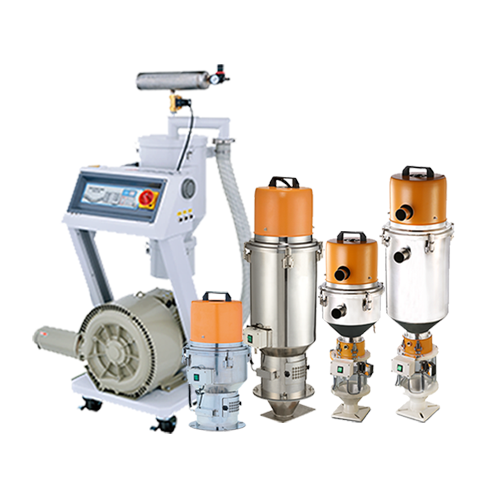
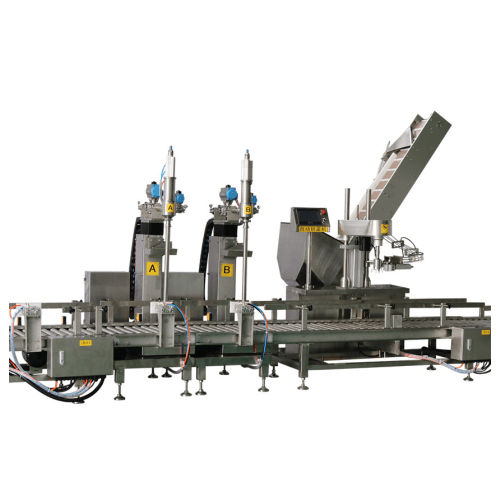
1. PLC with Index Gear Conveyor, Inverter Speed Control and Touch Screen Operation. 2. Stainless Steel frame and Anodized Aluminum.


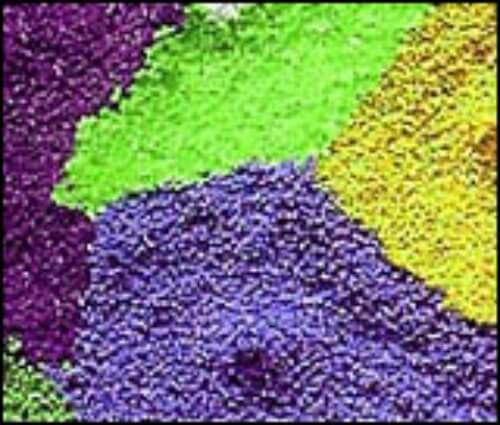
Conductive & Anti-Static Plastic Compounds
カテゴリー : ポリプロピレン
This category includes permanently conductive and anti-static plastic pellets, formulated for use in trays, carriers, and components in ESD-sensitive environments. Surface resistivity ranges from 10³ to 10¹¹ Ohm/sq depending on the grade (permanent or dissipative). Glass fiber-reinforced conductive options are also available for applications requiring enhanced strength and durability.

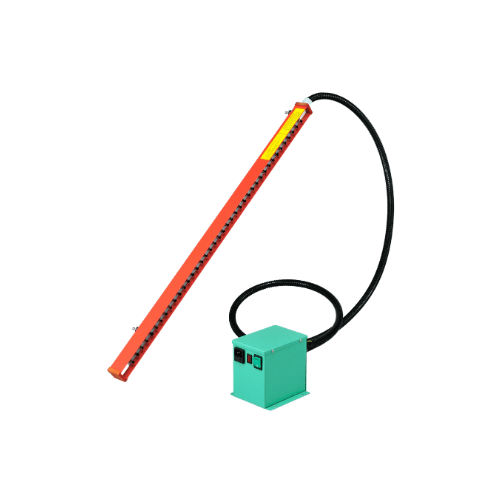
Soft Acicular Anti Static Device(CE)
カテゴリー : 溶着・表面処理装置
Soft acicular anti-static devices feature high performance, high security and flexible installation methods, comprising one or two soft acicular anti-static rods, and a 5KV anti-static generator. Different from traditional acicular anti-static rods that use a single stainless steel needle to discharge static charge, the single discharging needle unit of a soft acicular anti-static rod is comprised of up to a hundred carbon fiber filaments, to dramatically extend discharging range, and hence enhance its anti-static efficiency. In installation, the installation distance of a soft acicular type can reach as far as 30 centimeters, which is 10 times more than the traditional acicular type, which is a very flexible approach for users, saving them trouble in production flows caused by installation distance. It can be used to adapt to a wide variety of combinations on machines for various industrial manufacturing purposes, for instance, printing machines, packaging machines, photoelectric machines and textile machines. In safety, most traditional anti-static generators are 10 to 13KV, while the soft acicular anti-static rod working with a 5KV generator can reduce safety hazards resulting from hypertension discharge, without compromising anti-static performance due to reduced voltage. In performance, traditional anti-static devices have a limited efficiency rate, at approximately 60%~70%. The optimal efficiency of the soft acicular anti-static device, when an appropriate number of modules are installed optimal locations, can be as high as 80% or more. (Actually, surveyed readings may depend on customer’s working environment, materials, machine speed and hygrometric conditions on the day of measurement). Our soft acicular anti-static rod has been awarded patent rights in the Republic of China (invention patent certificate No. I 315166) and the People’s Republic of China (new design patent certificate No. 1840367). Besides domestic sales in Taiwan, our products are exported to dozens of countries and highly acclaimed by customers. We also provide anti-static consultancy service. Your comments are welcome.

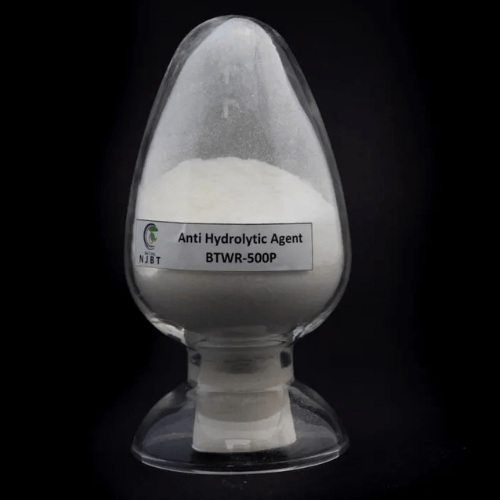
Anti-hydrolysis agent
カテゴリー : 添加剤
BTCE-9013 is a polymeric epoxy functionalized chain extender. The epoxy functional groups in its structure can react with the terminal carboxyl, hydroxyl, and amino groups in long-chain resin molecules to extend the polymer chain, thereby improving the resin's mechanical properties, intrinsic viscosity, and inhibiting polymer hydrolysis. It can be used in food contact materials. BTCE-9013 is generally co-extruded with modified resins using twin-screw or single-screw extruders. The recommended dosage for bio-based and biodegradable plastics such as polybutylene adipate/terephthalate (PBAT), polylactic acid (PLA), polybutylene succinate (PBS), polymethyl ethylene carbonate (PPC), and polyhydroxyalkanoates (PHAs) is 0.2-0.8 phr. The recommended dosage for condensation-based recycled plastics such as polyamide (PA), polybutylene terephthalate (PBT), polycarbonate (PC), and polyethylene terephthalate (PET) is 0.2-1.5 phr. The specific dosage depends on the number of active functional groups in the resin and the performance requirements of the product.