


 English - EN
  繁體 - ZH-TW
  简体 - ZH-CN
  Español - ES
  日本語 - JA
  العربية - AR
  Русский - RU
  Français - FR

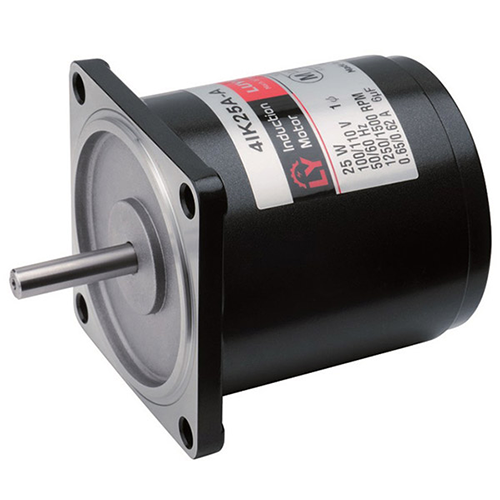
Small Electric Motor Continuous Operation Type - IK Motor
カテゴリー : 変速機・モーター・駆動システム
A small induction motor is an ac electric motor, which performs for directional and continuous operation by connecting single phease AC power or three phase AC power. Small Induction motors can support wide application and industries in packing machine, food machine, conveyor machine system, coding machine, cutting machine, sealing machine, sealing machine, etc. All products are made in Taiwan with high quality and our high-strength design makes motor maximum permissible torque up to 200kgcm.

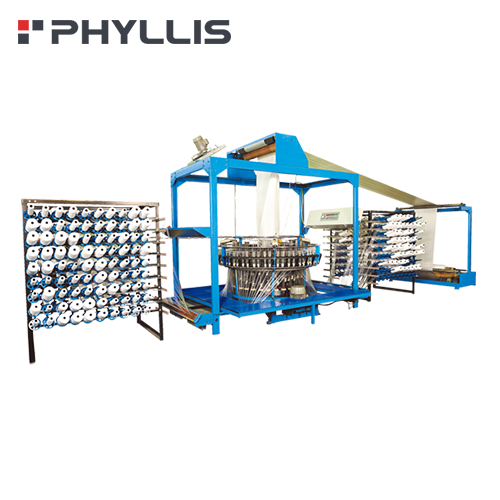
PP / HDPE織布のためにPHシリーズサーキュラー織機
カテゴリー : 工業用編機
1)円形レールデザインCannelure円形レール設計:スチールワイヤーワープストッパーデザインフィリスの設計されたワープストッパーの代わりに平鋼の鋼線を使用しています)シャトルローラーの消費量は、円形のレール2の耐久性を高め減らして消費電力を30%削減:...増加バネ弾性。でも、張力制御は、織物の表面を確実に平滑である。よく組織経糸は重複が含まれていません。ガイダー上3)キャップとフェルトオイル漏れを軽減4)円形と織りROC、米国で承認された特許取得済みの設計とし、 FRG、私たちの横糸強化デバイスは、特別な目的の特定の袋のために下の強化チューブを編むことができます。

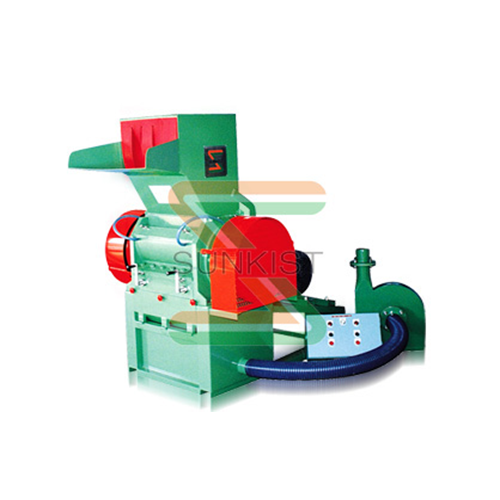
H型チッピングマシン
カテゴリー : カッティングマシン
すべての種類のPUフォーム廃棄物をチッピングし、マットレスカバー廃棄物をキルティングします。 SA-4Aチッピングマシンは、hr成形やフォームキルティングマットレスカバーからの材料廃棄物など、あらゆる種類の柔軟なPUフォーム廃棄物のチッピングに適しています。機械は、機械の内部に水冷システムが組み込まれた回転式および固定式カッターと、追加の強力なファンブロワーで構成され、フォームチップを機械からサイロまたは保管室に吹き出します。ネットメッシュを変更することで、粒子サイズを変更できます。

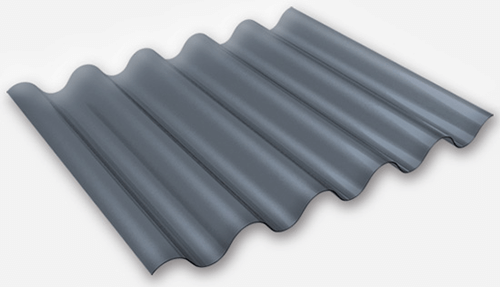

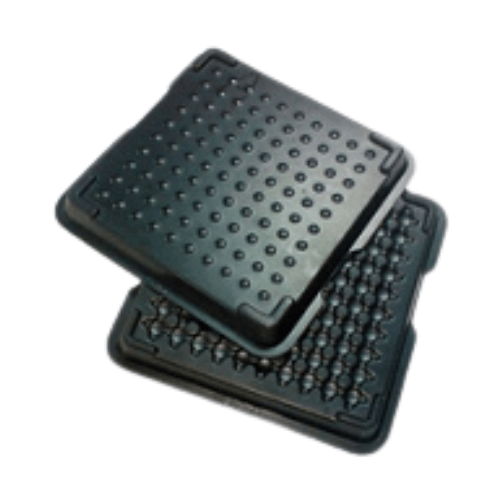
Conductive Plastic Sheet – Permanent Black HIPS / PP for Vacuum Forming Tray
カテゴリー : Electrical & Electronic Accessories
This conductive plastic sheet is made of HIPS or PP base material with a permanent anti-static additive. It provides a stable surface resistance range of 1×10³ to 10⁵ ohms/sq, making it ideal for vacuum-formed trays in the electronics industry. Its black conductive formulation prevents static charge buildup and protects sensitive components such as LED modules, smartphone lenses, and GPS devices. The sheet is optimized for tray thermoforming, offering long-term electrostatic protection that does not degrade over time. It is an excellent choice for precision packaging, assembly lines, and ESD-safe handling solutions.
SOFT TOOLING
カテゴリー : 金型設計および加工サービス
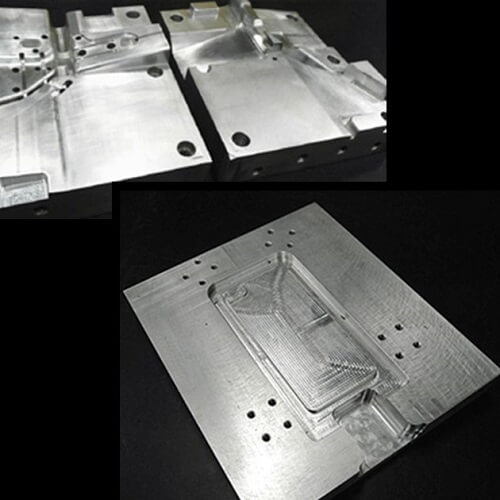
For small production runs or for prototyping, soft tooling is a fast and low cost way to build multiple copies of your product. To provide quick mold soft tooling services our engineers were sent to Japan to learn from soft tooling experts. MATERIALS: Cavity & Core Insert Made from Aluminum or Steel, Mold base free ADVANTAGES: Low Cost & Short Lead Time (5-10 days) Useful for R/D testing and trail runs, reduces final tooling risks Can product approximately 500 Shots DISADVANTAGES: Soft tooling will cycle slower due to poor thermal conductivity of mold material. Material life of soft tooling is limited and will depend upon part complexity. Our mold fabrication shop is equipment with high-end Charmilles EDM and OKK CNC machines. Please visit our Mold Fabrication page for more details.

ディスクカップリング
カテゴリー : 変速機・モーター・駆動システム
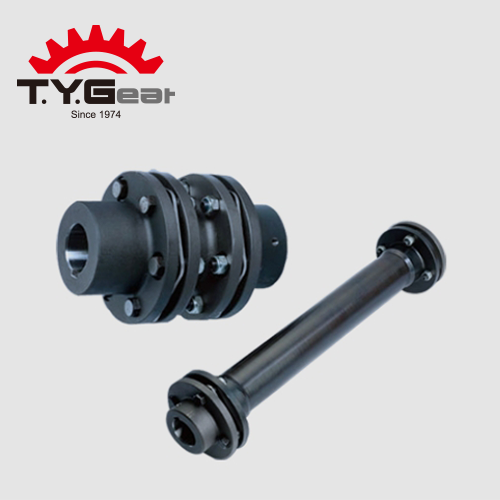
(1)無潤滑:潤滑剤が不要で、滑りや摩擦がないため、騒音や傷みが発生しません。 (2)メンテナンスフリー:「設置後はそのままにしておいてください」正しく使用されている限り、永久に使用できます。 (3)軽量、高トルク:操作により、幅広い範囲で使用できます。軽量化のためにアルミ合金で作ることができます。 (4)大規模オフセンタリング可能:オフセンタリングの範囲が広いため、あらゆる種類の伝送システムで柔軟に使用できます。 (5)高温用途に適しています:オールメタルパー構造により、高温に適しています。 (6)バックラッシュフリー:優れたねじり剛性を備えています。精度が要求される軸回転と位相制御付きの機械に最適です。 (7)さらに高速で使用可能:バックラッシュがなく軽量であるため、バランスが取れています。 (8)取り付けが簡単:過去数が少なくコンパクトなため、素早く取り付け/取り外しができます。 (9)堅牢な構造と高い安全係数:負荷応力を低い水準に保ち、非常に高い安全係数で動作します。 (10)自動保護装置:損傷した場合、自動保護装置がパッドを介して回転します。
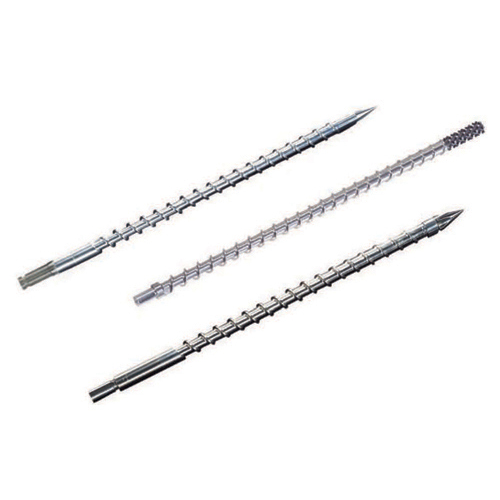
ビス合金ネジ
カテゴリー : スクリュー&シリンダー
現在の需要プラスチック製品は、主にプラスチック製のバレルとスクリュー急速な腐食摩耗し、寿命を短くして、その結果、難燃剤、ガラス繊維、粉末、または変更された添加物のようなが含まれているスーパーエンジニアリングプラスチックを使用しています。エンジニアリングプラスチックと幅広いためには刻々と変化、そして最近スターは、プロジェクト開発を進めること。現在は、PTAの山と特別なテストフルハード鋼粉末のさまざまな技術を噴霧スプレーよりもPifuの表面全体にも継続的に進められています。ラバーに設定された栄養チューブの寿命を延ばすだろう、プラスチックが使用中でより大きな経済的利益をもたらします。
Polyamid 6 - NA7200GK50
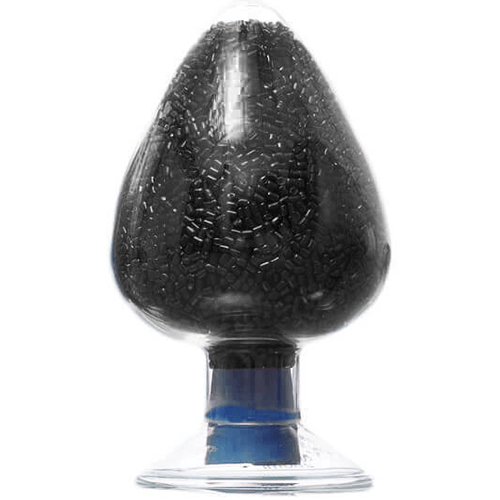
カテゴリー : ポリアミン (PA)
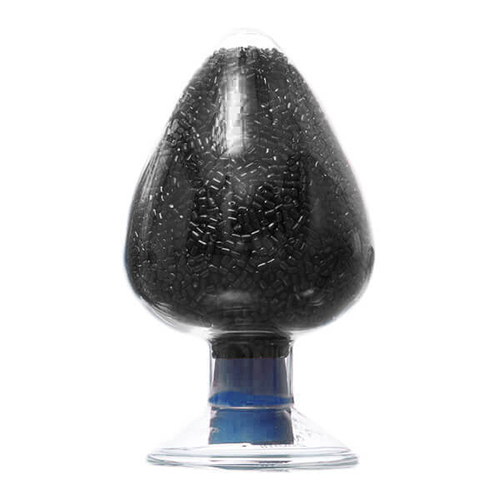
ガラス繊維50%強化、高弾性率、高衝撃、黒色。 用途:手工具、動力工具、園芸工具、自動車、バイク、自転車部品および部品、スポーツ機器のスペア部品、電子機器、電気ケースおよび部品、OAオフィス部品、水道、医療リハビリ機器。
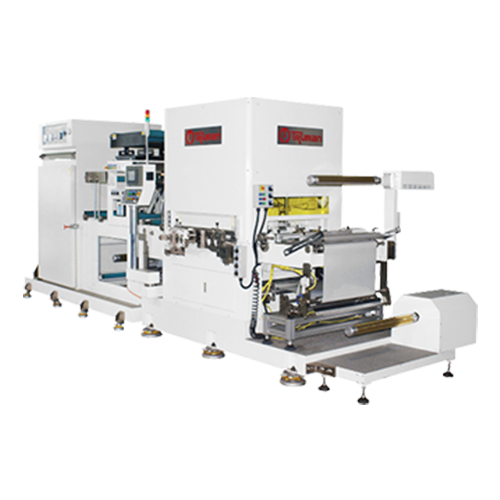
高精度ロールツーロール自動送り切断機TRC-350SP
カテゴリー : カッティングマシン
2軸同期送り機構:2軸同期送りにより生産速度と歩留まりを向上させます。適切に設計され安定化されたボトムデッドポイント精度:TRURANが独自に開発した特許取得済みのボトムデッドポイントメカニズムを使用して、+ /-0.005mmの繰り返し位置決め精度を実現します。高精度深さ調整機構:高精度機構を採用し、0.01mmの微調整精度を実現(0.001mmはオプション)。高効率ブースト回路:従来の回路に比べて消費電力を30%以上削減します。光電材料の柔軟性:材料特性に応じた専用移動システムとして使用します。独自の素材移動機構:安定性の高いサーボ制御システムを採用し、素材の汚れや傷を防ぎます。自動給油機構:機械全体で自動給油機構を採用し、日常のメンテナンス作業を軽減しています。廃棄物回収機構:切断廃棄物を自動回収し、操作性を高めながらスペースを節約します。