


 English - EN
  繁體 - ZH-TW
  简体 - ZH-CN
  Español - ES
  日本語 - JA
  العربية - AR
  Русский - RU
  Français - FR
LATEST UPDATE 購読
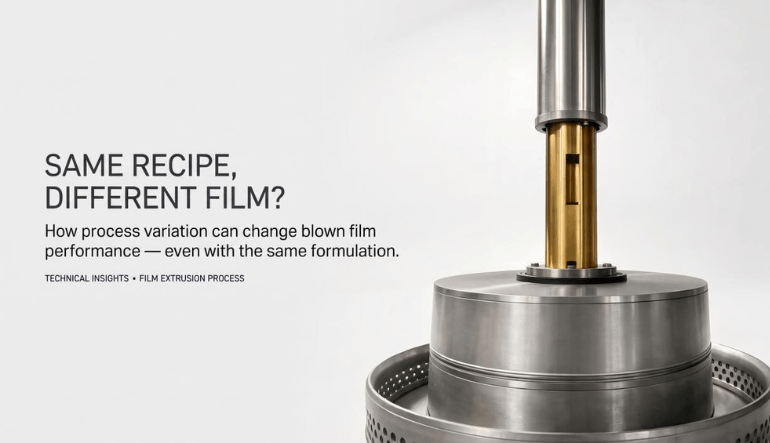
Same Recipe, Different Film: Here's Why
Last week, a customer ran two rolls of film on the same line. One roll came out perfectly fine — the other was full of gels and fish eyes. They spent three days troubleshooting. Our engineer went in, took apart the cooling air ring, and found it — one-third of the air outlets were blocked. Cleaned the air ring, restarted the line, and everything went back to normal. Same recipe. Completely different film. Why?
Single Shaft Shredder vs Twin Shaft Shredder for Solid Waste Recycling
There is no absolute "better or worse" between single shaft and twin shaft shredders, but a division of labor for different application scenarios. For selection, it is recommended to first clarify the material type, output requirements and throughput targets, then match the corresponding model to achieve the optimal input-output ratio and long-term operation stability.
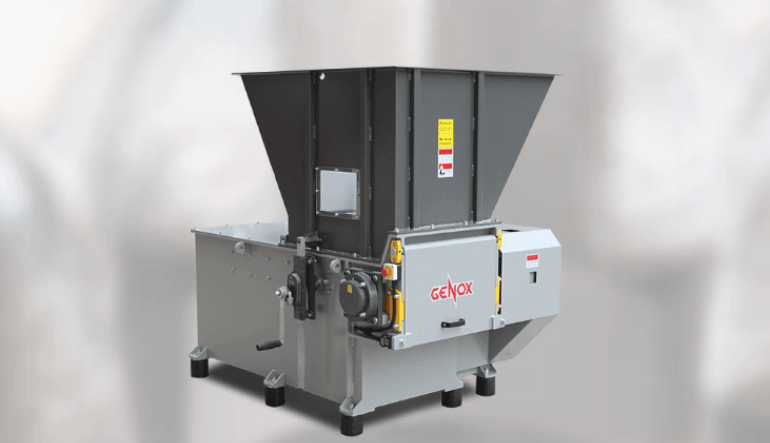
Industrial Paper Shredder Procurement Guide
An industrial paper shredder is a heavy duty, high capacity machine designed for continuous, round the clock operation to process large volumes of paper based materials. Unlike office shredders, which are built for intermittent, light duty use, industrial shredders are production grade equipment that handle tonnes of material per hour. They are used not only for destroying confidential documents but also for recycling cardboard, bales, production waste, and even mixed materials like CDs, hard drives, and credit cards.
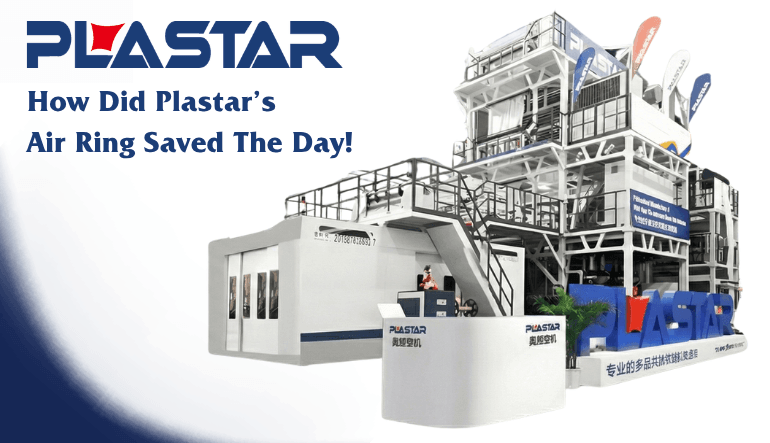
PLASTAR Automatic Air Ring Helps Control Film Thickness Before It Becomes Waste
In blown film production, thickness variation is often where hidden cost begins. It is not only a number on a quality report. It affects resin consumption, winding quality, printing registration, lamination stability and the customer's confidence in every roll delivered. For producers of food packaging, composite film, printing film and shrink film, unstable cross-direction thickness can quickly turn into wasted material, longer adjustment time and avoidable production cost.
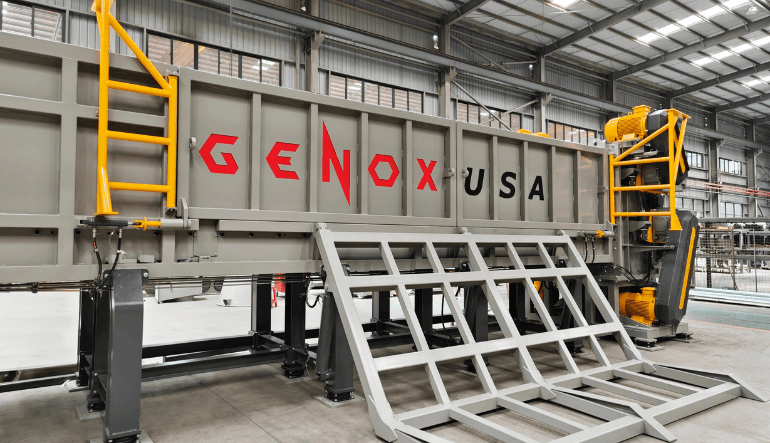
GENOX Launches J1400 Pipe Shredder, Conquering the Challenge of Large Diameter Pipe Recycling
PE, PVC and other plastic pipes with diameter of 1200mm or larger are widely used in key engineering sectors such as municipal engineering, hydraulic engineering projects, and oil and gas transportation. However, the recycling and disposal of such retired pipes has become a challenge for the industry. Recently, GENOX officially launched the J1400 pipe shredder, which effectively addresses the problem of efficiency mechanized recycling of ultra large diameter pipes, providing global customers with a new solution that is efficient, energy-saving, and reliable.
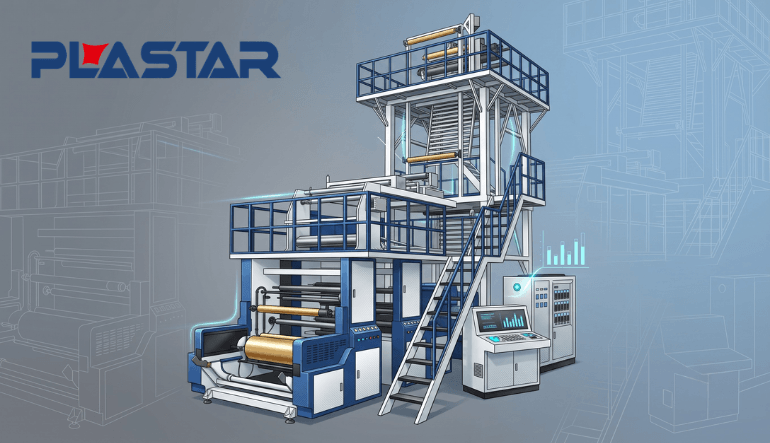
PLASTAR Launches Advanced Five-Layer Co-Extrusion Blown Film Production Line
The intelligent automatic air ring achieves ±3‰ thickness accuracy, reduces the scrap rate by more than 3%, and increases production capacity by 10%–15%. Soaring energy costs and strict recycling requirements under the EU PPWR framework are reshaping the European packaging industry, driving global demand for more energy-efficient and material-saving blown film production systems. Converters are increasingly turning to recyclable, downsized, multi-layer structures to lower their carbon footprint and stabilize operating costs.

Discover the latest English promotional updates for the Plastimagen exhibition
Be part of Latin America's largest plastics industry event. Plastimagen is where the industry meets, technology comes to live, and business happens. Book Your Space Today! Great opportunities don't always come back. This one is still open.
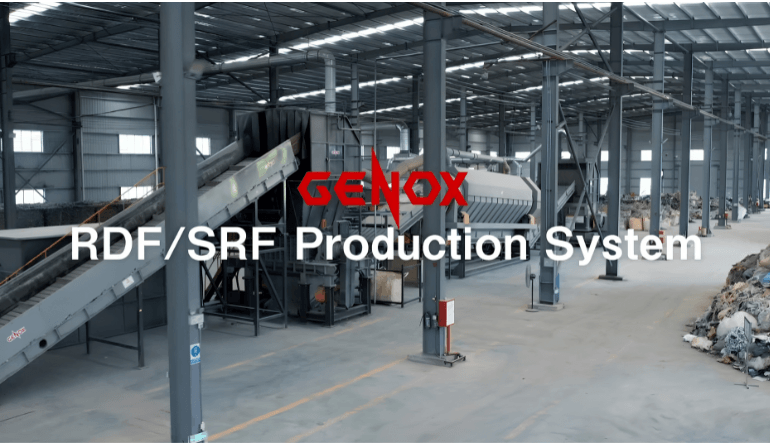
The Definitive Guide to RDF Shredder Technology
Refuse-Derived Fuel (RDF) is manufactured from combustible fractions of municipal solid waste (plastics, paper, wood, organic residues) via drying, shredding and compaction. It serves as a direct substitute for fossil fuels in cement kilns, industrial boilers, and waste-to-energy (WtE) power plants, diverting waste from landfills while generating energy. RDF has emerged as one of the most critical pillars of the modern WtE ecosystem.
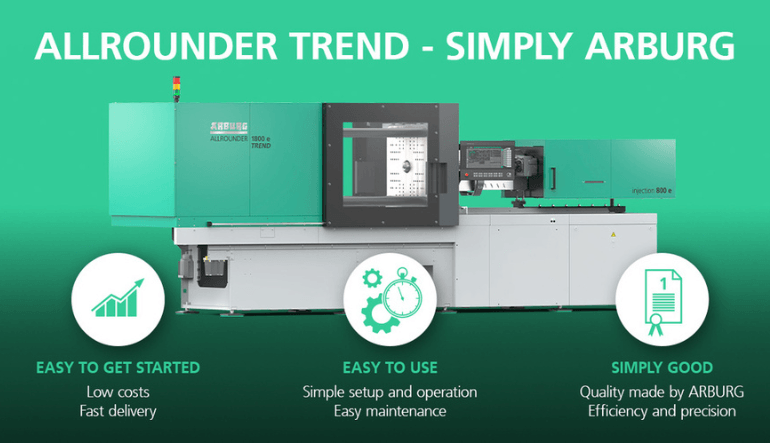
The Silicon Photonics Supply Chain Is Taking Shape: Where Precision Injection Molders Fit In
Silicon photonics and Co-Packaged Optics (CPO) enter their market adoption phase from 2026 — and the resulting demand extends well beyond semiconductor chips themselves. Fiber-optic connectors, optical transceiver housings, and precision structural components are driving a parallel surge in demand for high-precision plastic parts. For precision injection molders, the key to entering this supply chain lies not in manufacturing capability, which most already possess, but in whether their production equipment and process systems can pass the supplier qualification audits of high-tech customers. This article examines the opportunity from three angles: market trends, entry strategy, and the equipment response.
The 2030 PPWR Countdown: How PLASTAR Beats the "Sustainability Output Tax"
The last 18 months changed how European converters spec a new line. PPWR begins applying on Aug 12, 2026. Minimum recycled-content thresholds tighten toward 2030. EN 13432 sets the compostable bar. PCR pressure builds across every packaging category — contact-sensitive applications included.
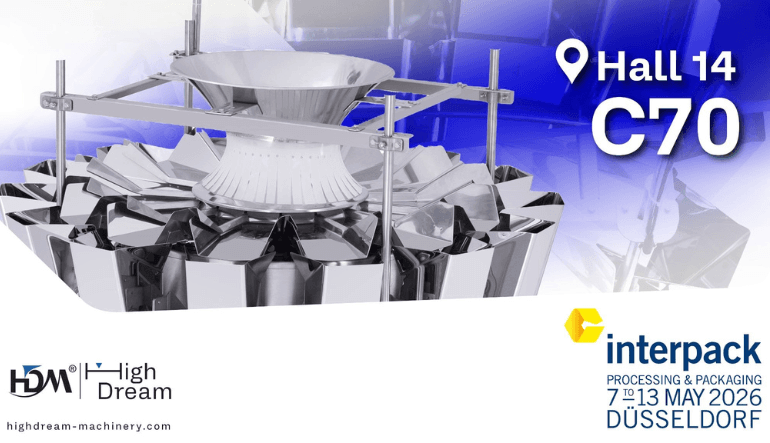
The Hidden Costs Killing Your Snack Packaging Margins — And What to Do About Them at Interpack 2026
Speed without precision is just expensive waste. On food packaging floors worldwide, the same hidden profit leaks keep showing up: fragile biscuits crushed at the bottom of bags, multihead weighers pausing mid-cycle because an upstream feeder is bridging, operators balancing on ladders for 40 minutes just to clean a hopper during a flavor changeover.
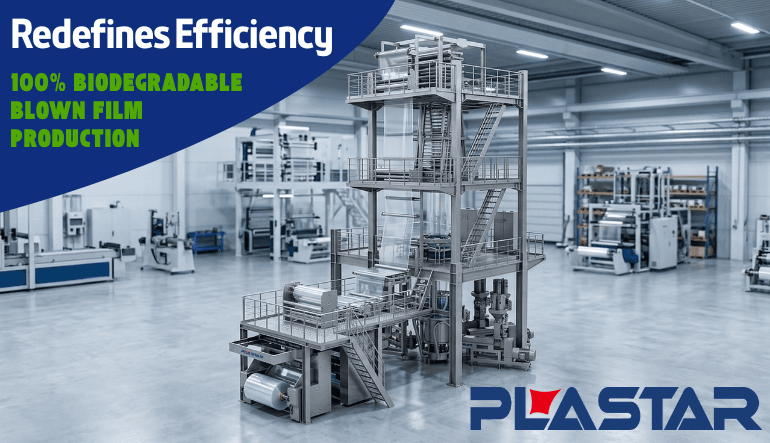
Debunking the Output Myth: How PLASTAR Redefines Efficiency in 100% Biodegradable Blown Film Production
For years, a persistent myth has circulated within the packaging industry: "Going 100% biodegradable means losing 20% of your output." At the recent CHINAPLAS 2026, this was the most frequent concern raised by manufacturers. The transition to PLA, PBAT, and starch-based blends is often associated with technical headaches—bubble instability, thickness variation, and significant downtime.