


 English - EN
  繁體 - ZH-TW
  简体 - ZH-CN
  Español - ES
  日本語 - JA
  العربية - AR
  Русский - RU
  Français - FR
LATEST UPDATE 購読
Before You Buy, Ask Who Keeps It Running
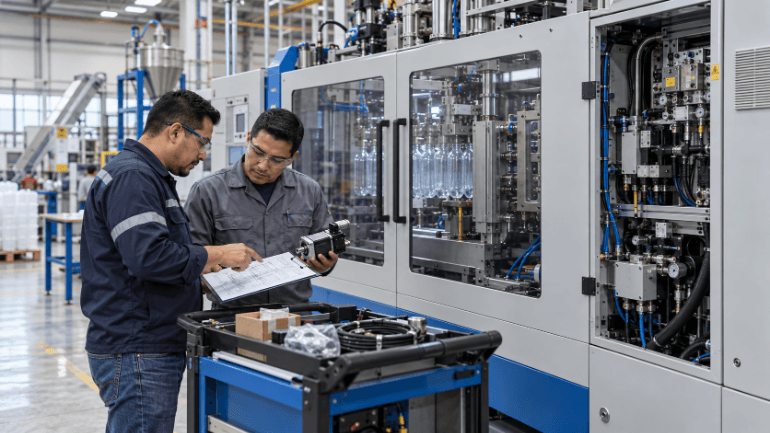
More of the messages Mexican buyers send PRM-TAIWAN are now about keeping the machines they already own running. Here is what they asked for, and three questions to bring to the booth. Last November, a plant in northern Mexico sent us a short message. One of its blow molding machines needed repair. They weren't asking for a quote. They wanted a technician, in Mexico or the United States, and they wanted to know who to call. Messages about machines already on the floor are becoming common. Over the past year, more than one in four inquiries we received from Mexico concerned equipment the buyer already owned. A year earlier, it was fewer than one in six.
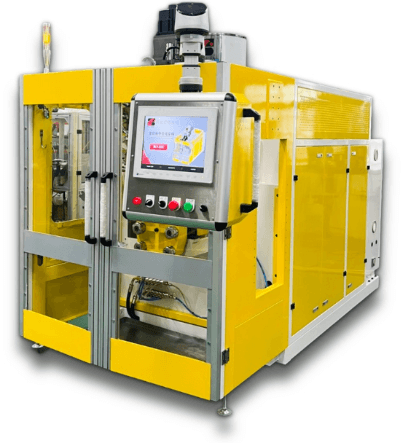
All-Electric Blow Molding machine. FS-45HSSO-E for making 1L Medical or Shampoo bottles
FS-45HSSO -E Machine Overview High-Durability Extruder: 55mm plasticized SACM 645 steel screw, nitrogen-treated for superior heat and wear resistance. Optimized Capacity: Designed for bottles up to 1000ml. Intuitive Control: 15-inch user-friendly Fuji Touch Screen HMI. High Production Capacity: Delivering approximately 450-500 pcs/hour. Fully Automated Production: Ready for continuous, hands-free operation. Versatile Customization: Optional view stripe function and multi-layer co-extrusion capabilities available.
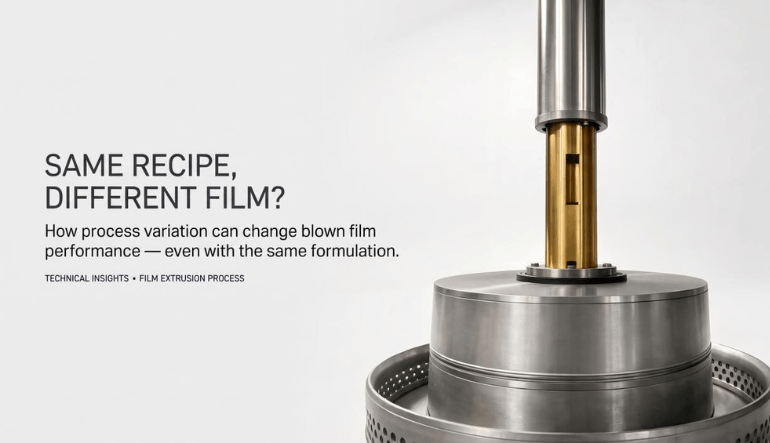
Same Recipe, Different Film: Here's Why
Last week, a customer ran two rolls of film on the same line. One roll came out perfectly fine — the other was full of gels and fish eyes. They spent three days troubleshooting. Our engineer went in, took apart the cooling air ring, and found it — one-third of the air outlets were blocked. Cleaned the air ring, restarted the line, and everything went back to normal. Same recipe. Completely different film. Why?
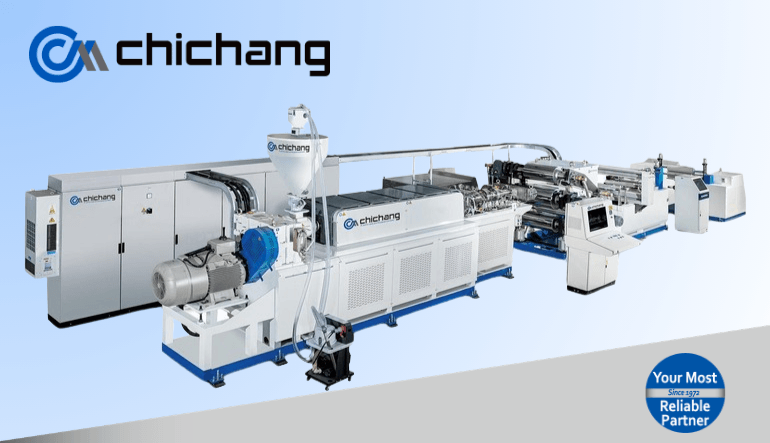
PP Sheet Extrusion Line: Where to Look When Tray Forming Goes Wrong
A roll of sheet comes off your PP sheet extrusion line. Thickness checked, surface checked, everything looks fine. The real test happens at your customer's plant, when that sheet is heated, formed, and trimmed into food trays. If one corner comes out too thin, if this batch looks hazier than the last, or if the web keeps drifting to one side, the sheet is one of the first things that gets checked.
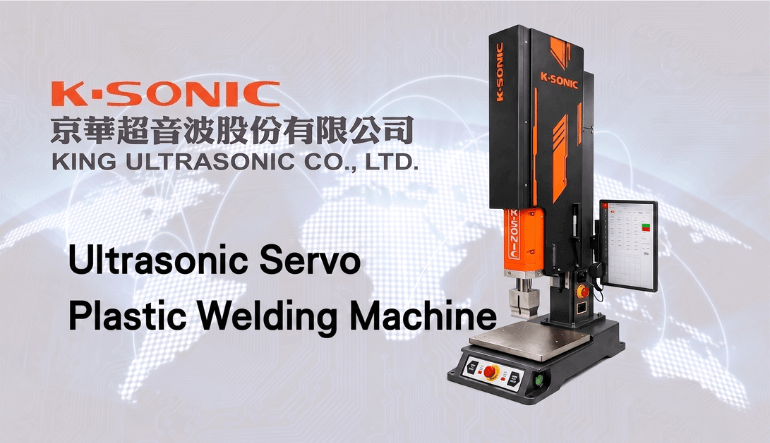
K-SONIC Ultrasonic Servo Plastic Welding Machine: Precision Control, Stable Welding, Smart Production
The K-SONIC Ultrasonic Servo Plastic Welding Machine is designed for high-precision plastic welding applications. Combining a high-accuracy servo control system, intelligent digital ultrasonic technology, and an easy-to-use touch-screen interface, this machine delivers stable, precise, and efficient welding performance.
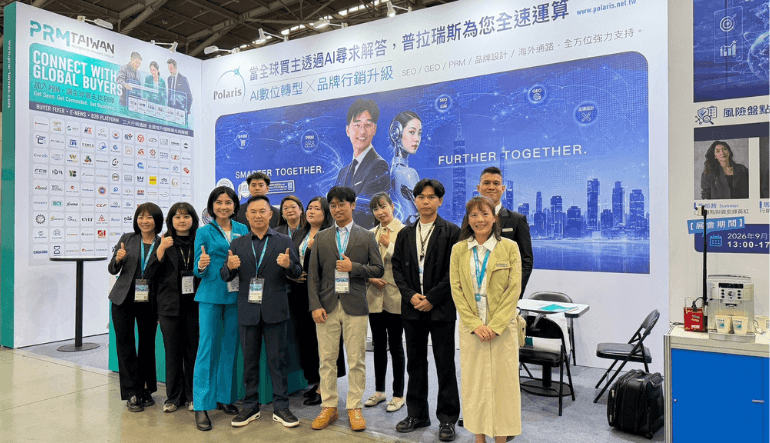
TaipeiPLAS 2026 Floor Report | AI, Circular Manufacturing and Global Markets Reshape Taiwan’s Plastics Industry
TaipeiPLAS 2026, the Taiwan's No.1 International Plastics & Rubber Industry Show, returned to Nangang Exhibition Center, Hall 1, during September 15 to 19 under the theme “Form to Future.”Across the show floor, one message was clear: competition in the plastics and rubber industry is no longer defined by machine speed, output and price alone.
Single Shaft Shredder vs Twin Shaft Shredder for Solid Waste Recycling
There is no absolute "better or worse" between single shaft and twin shaft shredders, but a division of labor for different application scenarios. For selection, it is recommended to first clarify the material type, output requirements and throughput targets, then match the corresponding model to achieve the optimal input-output ratio and long-term operation stability.
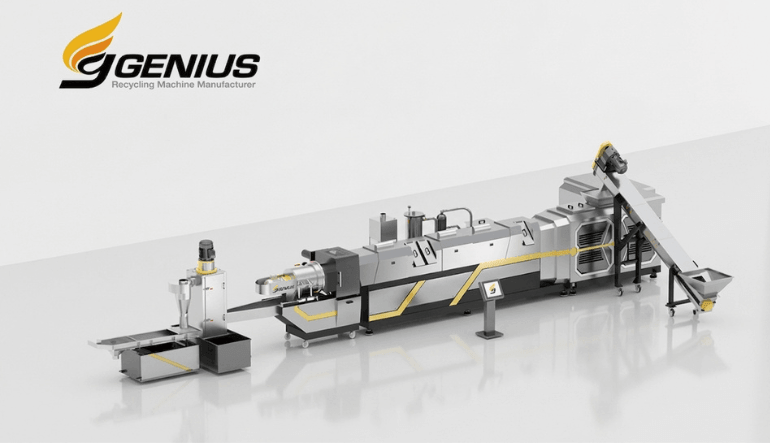
Stop Wasting Energy on Film Recycling: How the Genius DWX Series Saves You a Fortune
Are sky-high energy costs eating into your recycling profits? If you process post-consumer plastic films, you already know the struggle. Washed films and flakes often carry up to 50% moisture. Feeding wet, heavy material into conventional shredder-extruder lines is a recipe for disaster. Causing steam flashes, brittle pellets, and astronomical electricity bills.

CHAANG HORNG Sets the Global Standard in Surface Treatment
In the high-speed worlds of flexible packaging, film extrusion, and printing, a flawless production line can quickly turn into a downstream nightmare if the ink starts flaking or the lamination refuses to stick. The culprit is almost always surface tension. When a substrate’s dyne level isn’t optimized, the production value drops to zero.
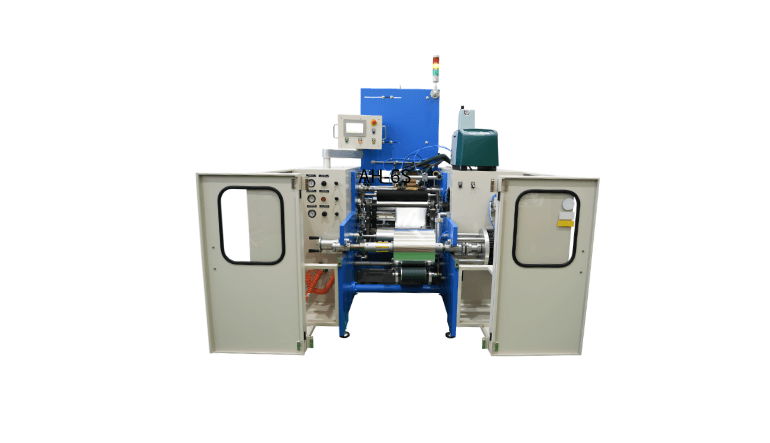
Aluminum Foil and Cling Film Rewinding Solutions: From Flexible Production to Automated Packaging
Compare automatic and semi-automatic aluminum foil and cling film rewinders, finished roll processing, and shrink film packaging solutions.
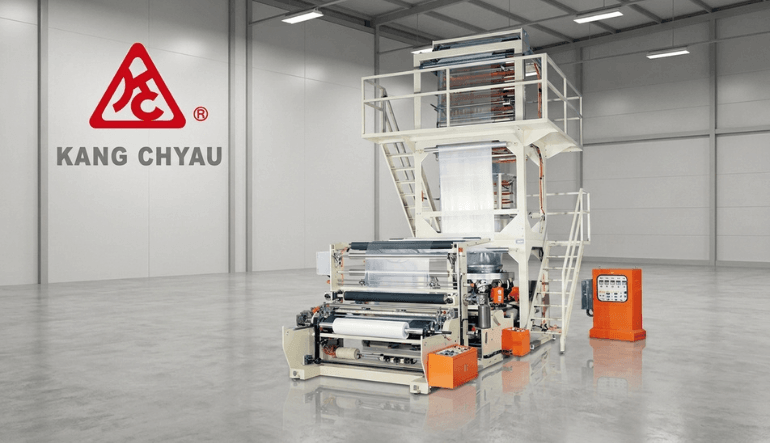
From Machine Control to Production Intelligence: Kang Chyau Brings AI into Blown Film Manufacturing
As blown film production moves toward smarter and more connected manufacturing, Taiwan-based Kang Chyau Industry is upgrading its KMT-65 HDPE/LDPE/LLDPE Plastic Inflation Machine with a stronger focus on automation, AI-assisted control and production data integration.

92% of Buyers Ask Only Once — What 2,009 Inquiries Reveal About the Market
Three in the morning, Taiwan time. An inquiry arrives in the PRM-TAIWAN system. The buyer is a flexible packaging plant in Pakistan, looking for a bag making machine. If you had to compress the past year’s shift in platform demand into a single message, this one comes close: over the past twelve months Pakistan recorded the largest increase in inquiries of any market, and among individual machine types bag making machines drew the most.