


 English - EN
  繁體 - ZH-TW
  简体 - ZH-CN
  Español - ES
  日本語 - JA
  العربية - AR
  Русский - RU
  Français - FR

GENIUS: COVID-19 Changed the World, Genius Always Stands with the Customer
Due to the worldwide outbreak pandemic, Genius Machinery could send no engineer to the site where the client is there, neither that they could help the guest install and commission the machine; even so, Genius Machinery aided the customer to install and operate the machine through utilizing instruction and video conference.
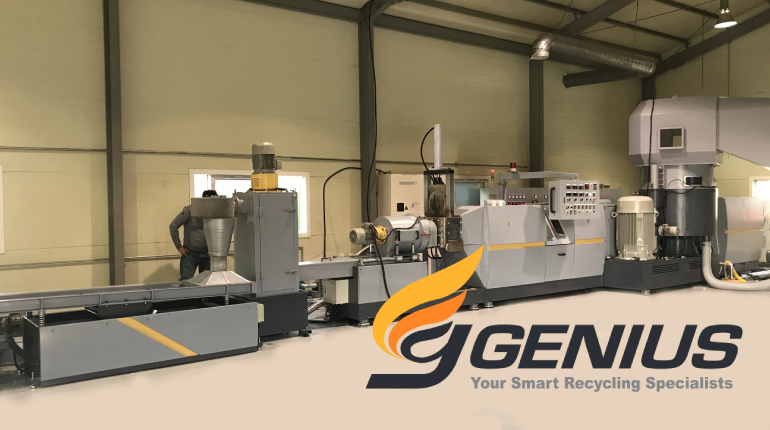
GENIUS: Smart Solutions for Waste Film Recycling to Reduce Carbon Footprint
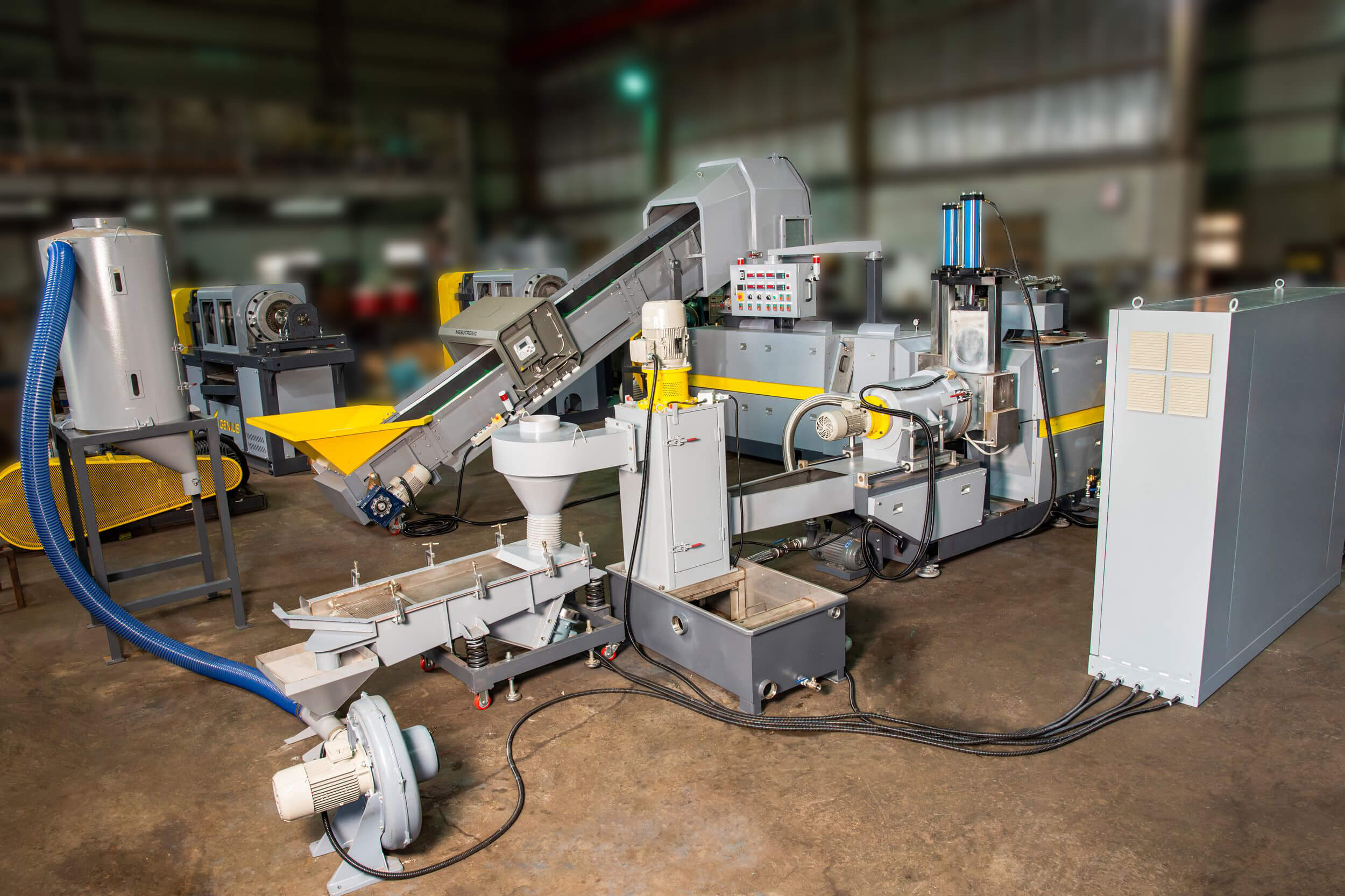
Plastic packaging consumption increased during the pandemic due to lockdowns in many countries. Especially the consumption of PE and PP type of plastic materials increases day by day. GENIUS MACHINERY stands in the breach to fulfill its clients’ requirement with its more than 40 years of expertise. Especially for PE, PP, LDPE and HDPE recycling solutions including plastic washing and drying plants, the company earned a reputable fame in the market.
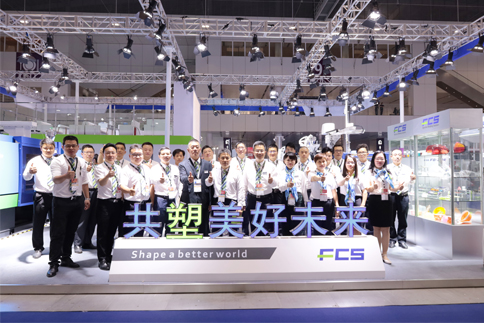
Fu Chun Shin (FCS) embraces huge potential orders in Chinaplas 2021
After a lapse of two years, the largest CHINAPLAS International Rubber and Plastic Exhibition in Asia first came to Shenzhen. During the four-day exhibition from April 13 to 16, 2021, the number of visitors reached 152,134, and it is worth noting that the official live broadcast platform has 363,000 views!
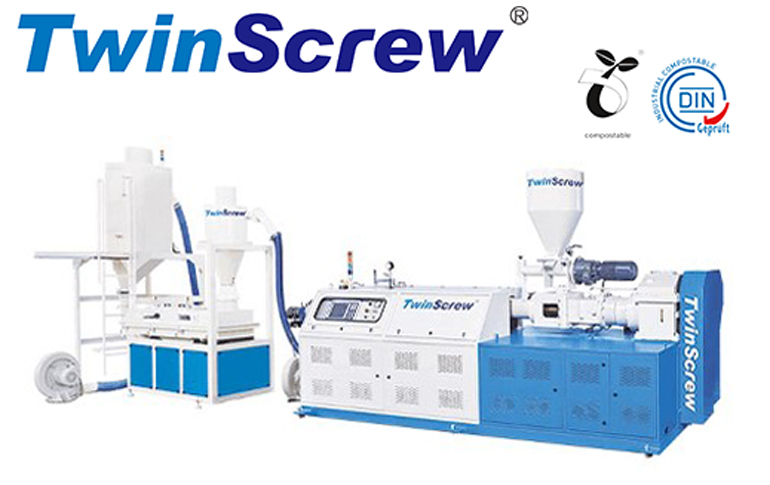
TWIN SCREW - Strategy for Sustainability in the Era of Carbon Neutrality
Increasing carbon emission leads to global climate change and gives rise to a threatening impact on the sustainability of human society. By the mid-century achieving carbon neutrality worldwide, the industry needs to reform by decoupling the economic growth from the utilization of fossil-based resources such as oil, coal and natural gas. Carbon border tax (CBT) will be imposed on the goods exported to the EU from 2023 and it can be anticipated in the other major economic entities.
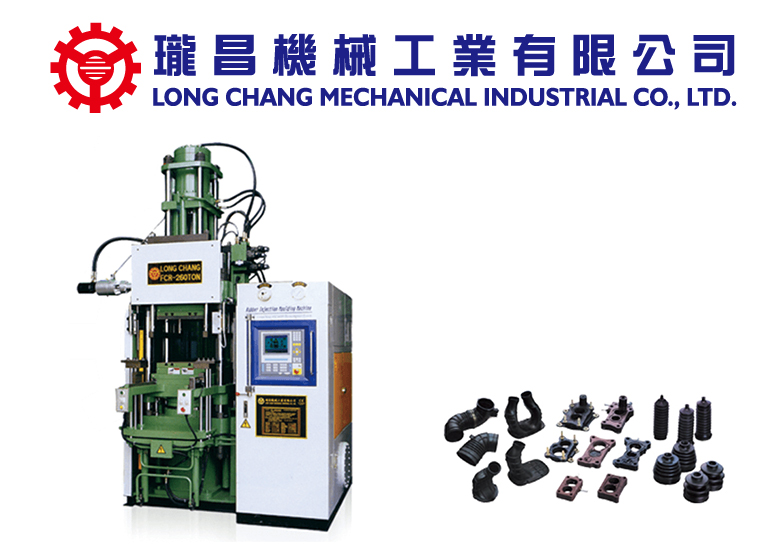
LONG CHANG: Rubber Injection Molding Machine - FCR SERIES
Long Chang Mechanical Industrial Co., Ltd. Taiwan in pursuit of breakthrough and progression boldly has been the top maker of the rubber/silicon injection molding machinery and hydraulic compression molding machine trusted by clients since the founding in 1971 and the machinery made has been widely used for production and manufacturing of melamine products, EVA foam tires, conductive rubber, etc. Long Chang makes the tailor-made solution via innovation on the basis of rich experience over 40 years available to each client.
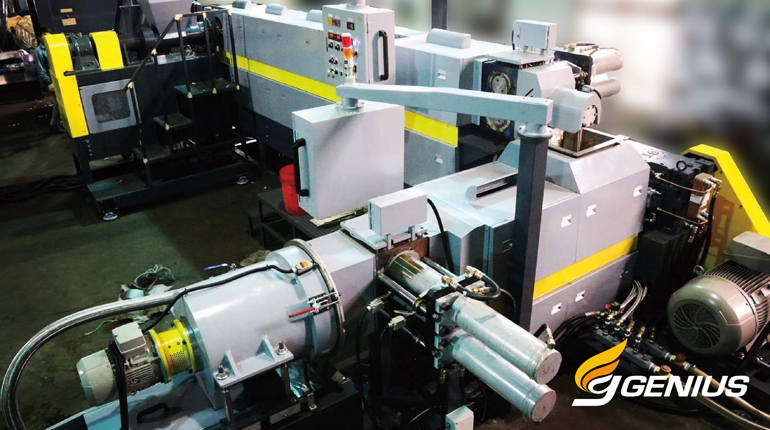
GENIUS: How to Recycle Waste from Electrical and Electronic Equipment (WEEE)?
Recycling of WEEE (Waste from Electrical and Electronic Equipment) is a rising issue in the global recycling market. Such as the amount of waste electrical and electronic equipment created every year in the European Union is increasing rapidly as the fastest growing waste streams. Based on European Commission, 5 tonnes of waste is produced by the average European each year. Only 38% of waste in the EU is recycled, and over 60% of household waste still goes to landfill in some EU countries.
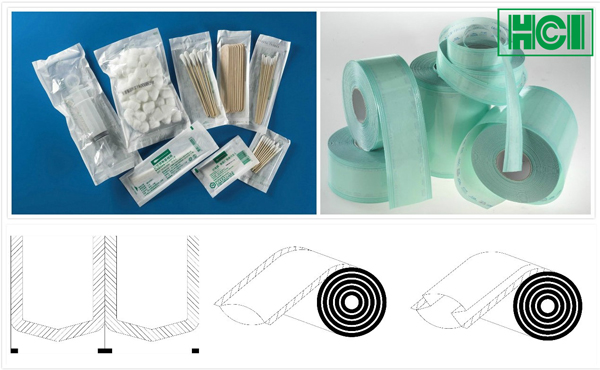
HCI Provides Latest Technology of Medical Sterilization Pouch / Reel Making Machine
Global demand for medical packaging continues to grow, quality standard expected of the sterile pouches/ reels also set to increase and become more stringent. HCI is aware of this trend and has since collaborated with MNCs to make critical changes to its medical pouch making machine to meet this new standard. More operator oriented features, stable and reliable machine with more precise temperature control are the key.
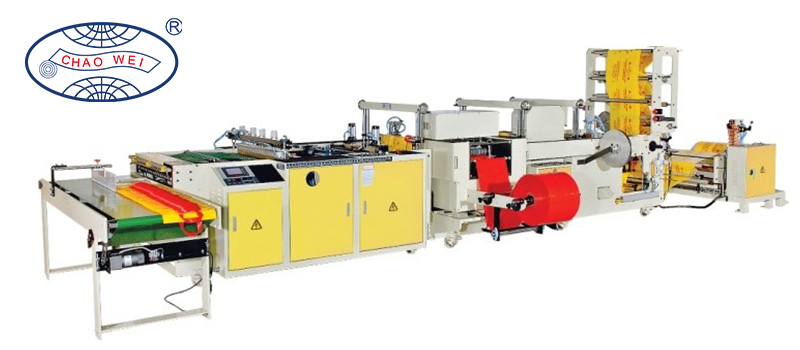
Chao Wei - Multi-function Side Sealing Machine: CW-PFM-SV
CW-PFM-SV series are special designed versatile machines which can produce several types of bags, Soft Loop Handle Bag, Draw Tape Bag, Die Cut Bag & Patch Handle Bag. They are very beneficial for the customers as they will help to save on investing different machines for these different types of bags.
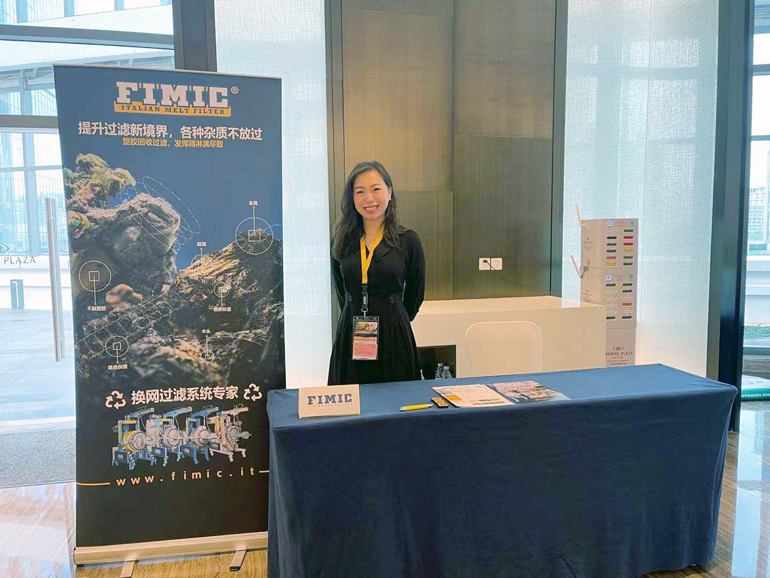
Italian FIMIC melt filter provides automatic melt filter solution for customers in Asia
The Italian company FIMIC, which provides automatic self-cleaning filter to plastic recycling industry, participated Chinaplas for the very first time.
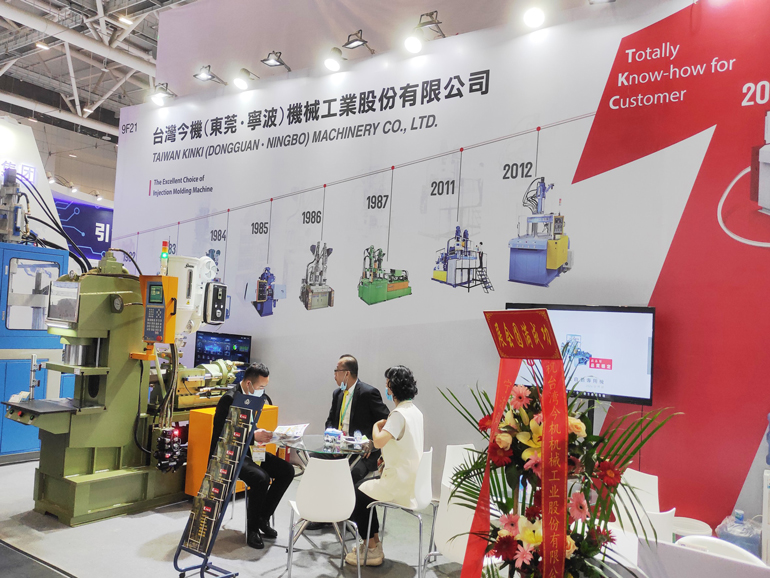
TAIWAN KINKI at CHINAPLAS 2021
Faced with CHINAPLAS, which has been delayed for one year, Taiwan Kinki benefited from the establishment of factories in Dongguan and Ningbo on the mainland in 1991. It not only took over the Chinese market in the third quarter of last year, but also rebounded due to rapid response to the early termination of the supply chain phenomenon.
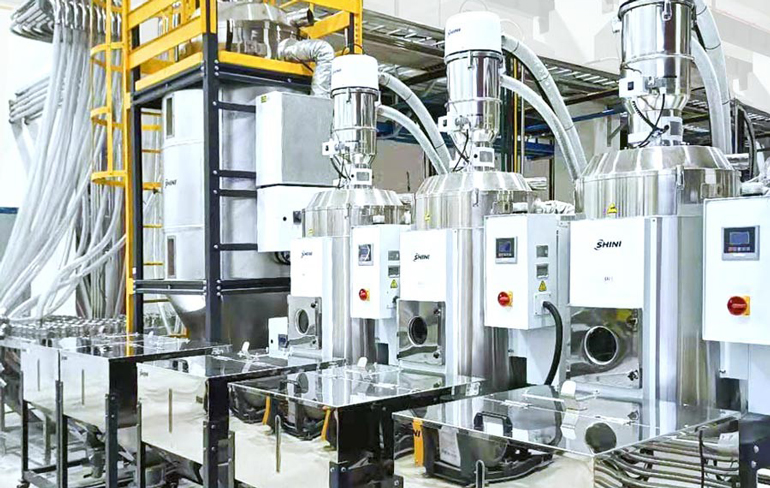
SHINI - The Case of Whole Plant Planning in Protective Appliances Industry
Shini is continuously supporting its customers and cherish their successful stories that the customers add value to the industry despite of the current outbreak. In this article we would like to share about one of our customers' case story from China.
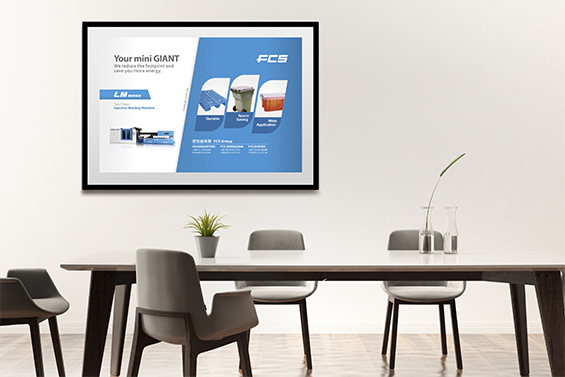
FCS: The Trend and Choice of Plastic Houseware and Toy Injection Molding
The global plastic furniture market size was valued at USD 11.9 billion in 2018 and is expected to expand at a CAGR of 3.9% from 2019 to 2025. The Global Toys and Games market is forecasted to grow at a CAGR of 4.5% during 2019 - 2024. FCS servo energy-saving injection molding machines have been producing steadily for the famous housewares...

JANDI’S - Biodegradable JIT Series
Green manufacturing and the high rate of pollution caused by the plastic film are the major concerns about the protection of the environment. JANDI’S has found a way to “Greenilize” their bag making machines resulting in a big win for the environment and the industry itself. Using Biodegradable material is one of the success solutions for the global issue.
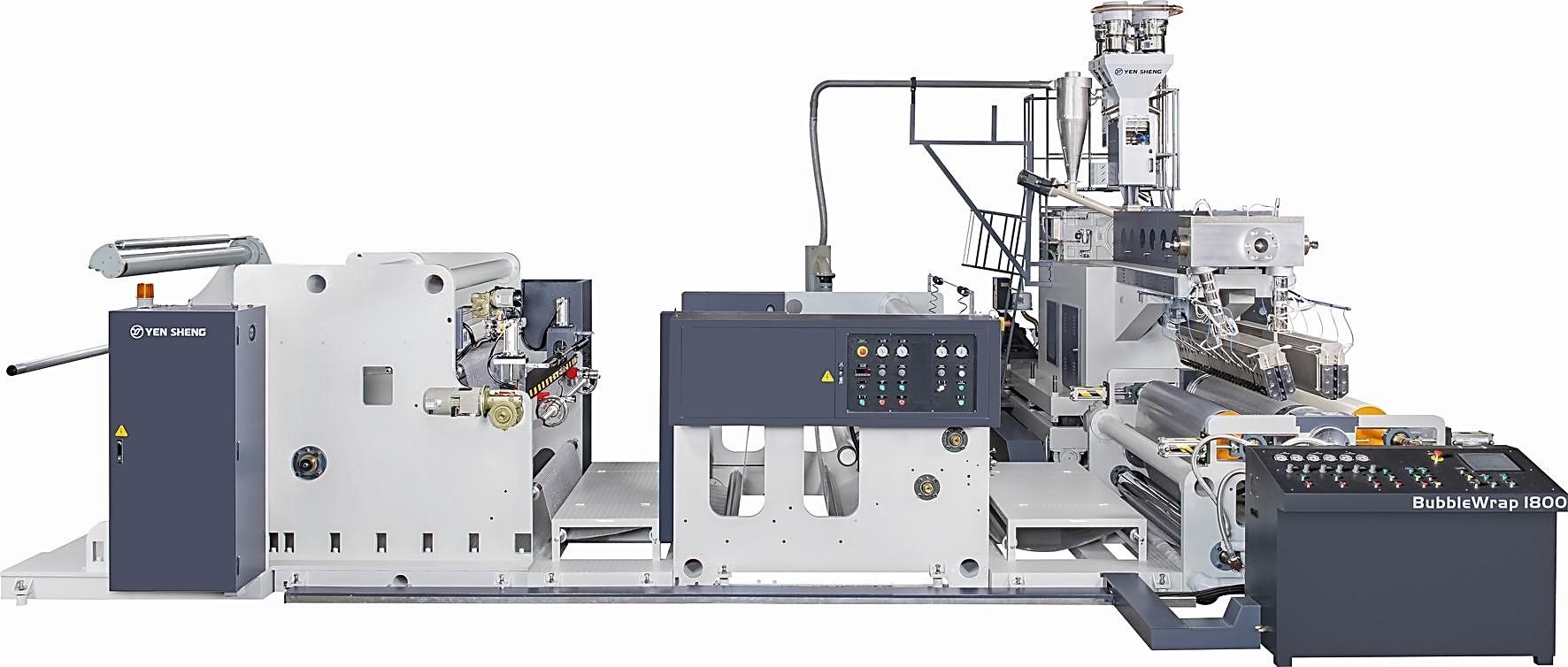
YEN-SHENG Extrusion Coating Lamination Machine & Air Bubble Film Machine & Honeycomb Board Machine MORE THAN YOU THINK
YEN-SHENG is a machinery manufacturer. From the discussion with customers for the finished products and machinery design to actual machinery manufactured, we are very skilled to provide these services.
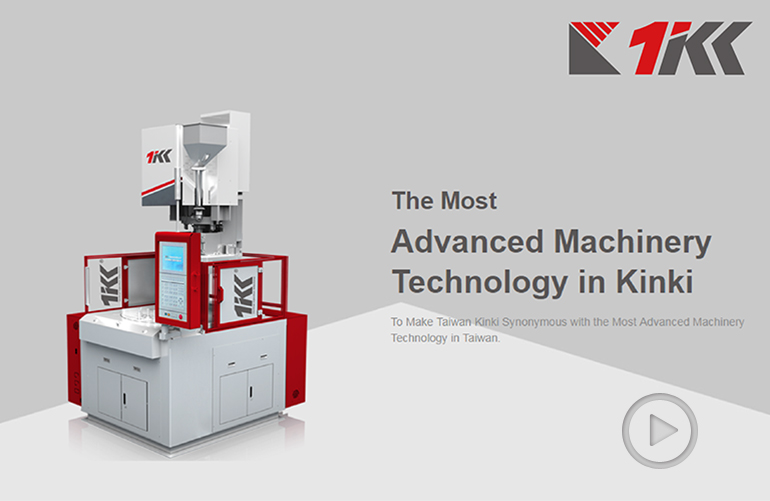
Taiwan Kinki Machinery Company - To Make it become the Most Advanced Machinery Technology in Taiwan
Taiwan Kinki Machinery Company has accumulated more than 35 years of technical know-how and experience in the planning, design, construction, sales and service of plastic forming machines...
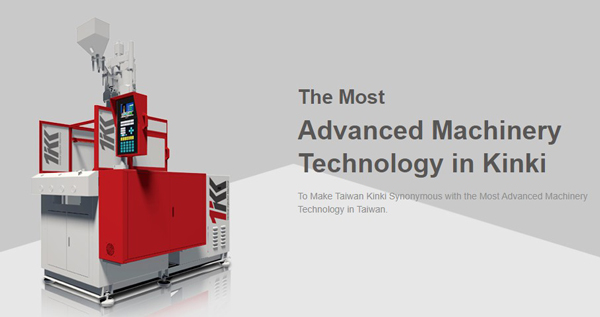
Taiwan Kinki, High Quality and Experienced Injection Molding Machine Manufacturer
Nowadays, one of the main challenges for International buyers when they need to find new machines for their production is to find a reliable and trusted machine manufacturer, in order to assure their investment is worth every cent spent on it...
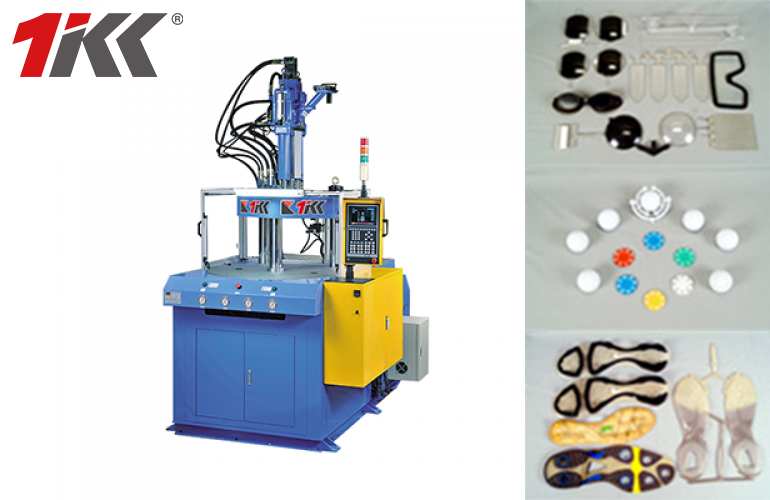
Taiwan Kinki, Automatic Planning and Design
TKC had more then 40 years in Vertcial Injection Molding Machine. In addition to dedicated to researching vertical injection machines, we are also actively expanding our global service bases. Because TKC knows that No Service No business.
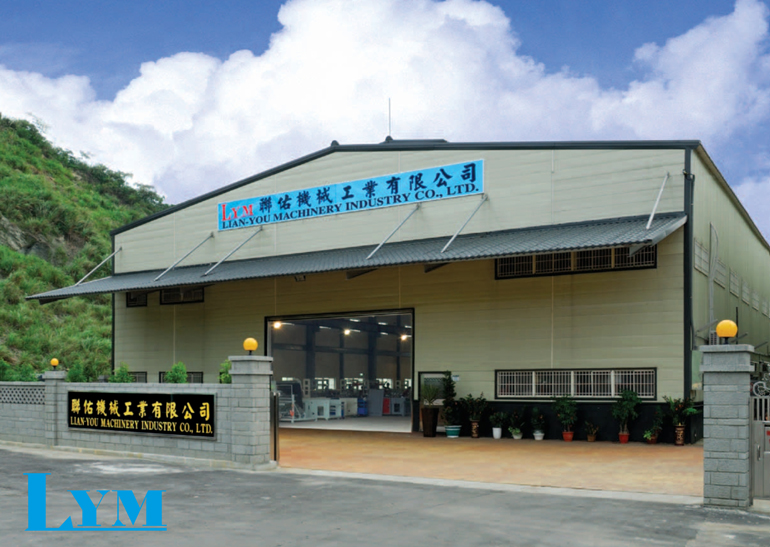
LYM, Working Hand by Hand with Customers to Overcome Challenges for 3 Decades.
In recent years, the plastic ban and covid-19 pandemic have caused a significant blow to plastic machine manufacturer, and it seems no way out in the short term. In order to work with customers to pass through this difficult time...
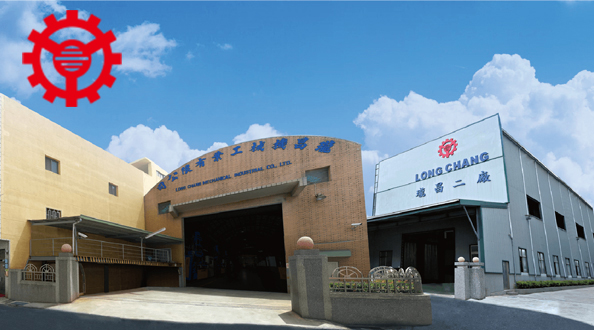
LONG CHANG- The Blue Ocean Strategy by Innovation
Long Chang Mechanical Industrial Co., Ltd. Taiwan in pursuit of breakthrough and progression boldly has been the top maker of the rubber/silicon injection molding machinery and hydraulic compression molding machine trusted by clients since the founding in 1971...
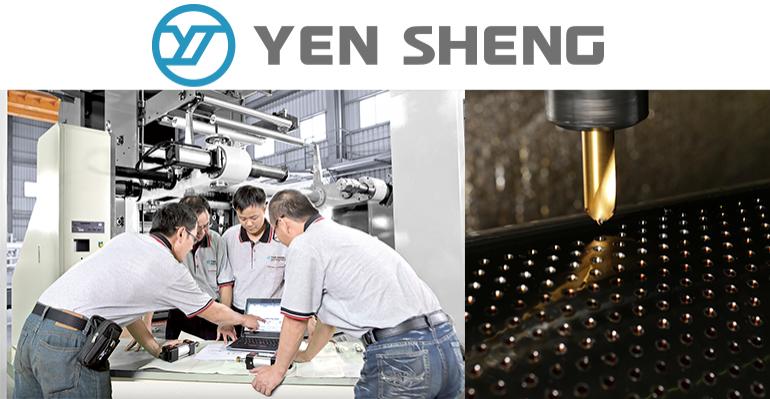
YEN-SHENG Extrusion Coating Lamination Machine & Air Bubble Film Machine & Honeycomb Board Machine MORE THAN YOU THINK
YEN-SHENG is a machinery manufacturer. From the discussion with customers for the finished products and machinery design to actual machinery manufactured, we are very skilled to provide these services.
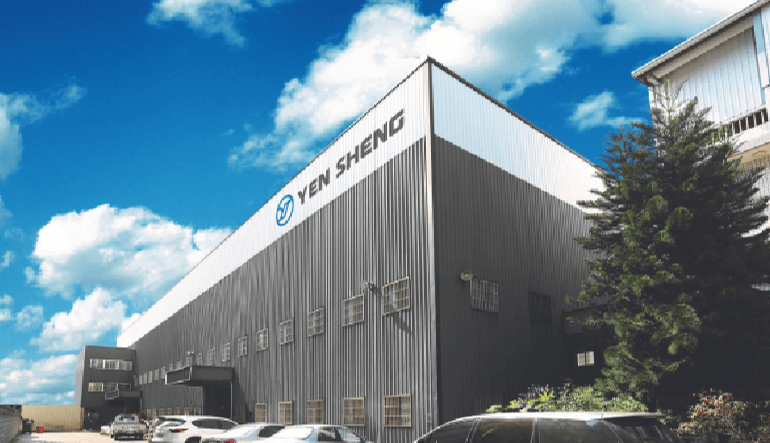
YEN-SHENG Extrusion Coating Lamination Machine & Air Bubble Film Machine & Honeycomb Board Machine MORE THAN YOU THINK
YEN-SHENG is a machinery manufacturer. From the discussion with customers for the finished products and machinery design to actual machinery manufactured, we are very skilled to provide these services.
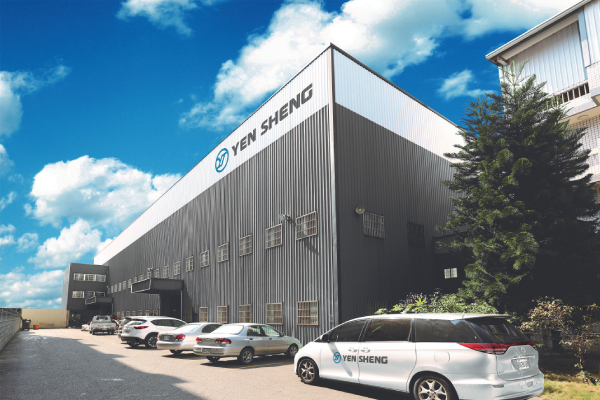
YEN-SHENG: Hi-Tech Air Bubble Film Machinery
YEN-SHENG is a machinery manufacturer. From the discussion with customers for the finished products and machinery design to actual machinery manufactured, we are very skilled to provide these services.
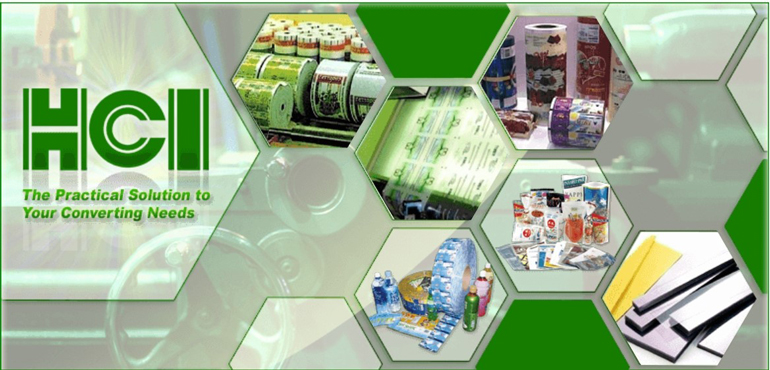
HCI - The Practical Solution to Your Converting Needs
Established in 1982, HCI Converting Equipment Co., Ltd. is a specialist in the design and manufacture of a full range of Roll-to-Roll and Roll-to-Sheet Converting Equipment and machinery for Flexible Packaging and Semi-Conductor, TFT-LCD, optoelectronics, Medical Industry (Sterilization Pouch/Reel Making Machine、Meltblown Fabric) and relative industries.
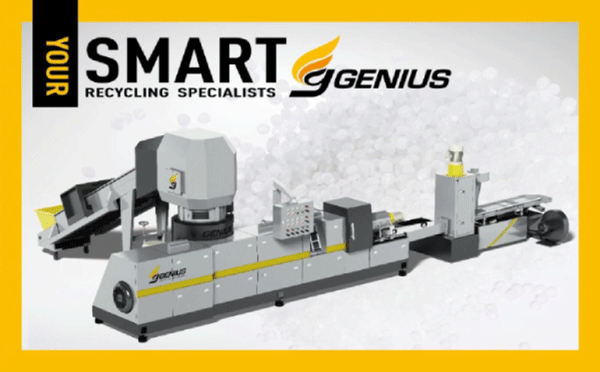
Japan Subsidy Policy Assisting the Growth of Genius’ Squeeze Dryers
Japan generates about 9.03 million tons of plastic waste per year, and is the second-largest plastics user in the world, second only to the United States. Faced with such a large amount of plastic waste, Japan’s waste recycling technology is quite refined (with about 80% recycling rate).
Chi Chang Machinery Meeting the Highest Quality Standards for Almost Half of a Century
Nowadays one of the main concerns is finding reliable and experienced suppliers for different kinds of machines. Taiwanese companies are famous for its performance and service quality. One manufacturer that must be taken into consideration is CHI CHANG MACHINERY CO.,LTD (CCM), a company with almost half a century of experience in the industry, founded in 1972.
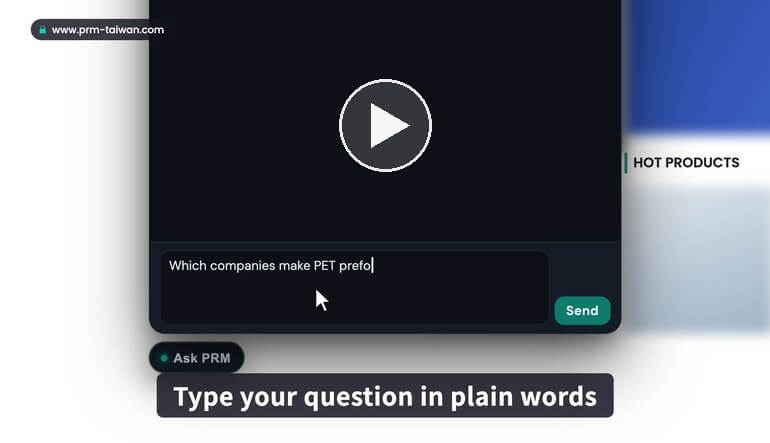
プラスチックやゴムの機械をお探しですか?それならPRMにお任せください!
PRM-Taiwanには、サイトに組み込まれたAIアシスタントがあります。探しているものを簡単な言葉で説明すると、Ask PRMがPRM上の適切なサプライヤーを案内し、各企業のページへのリンクを提供します。
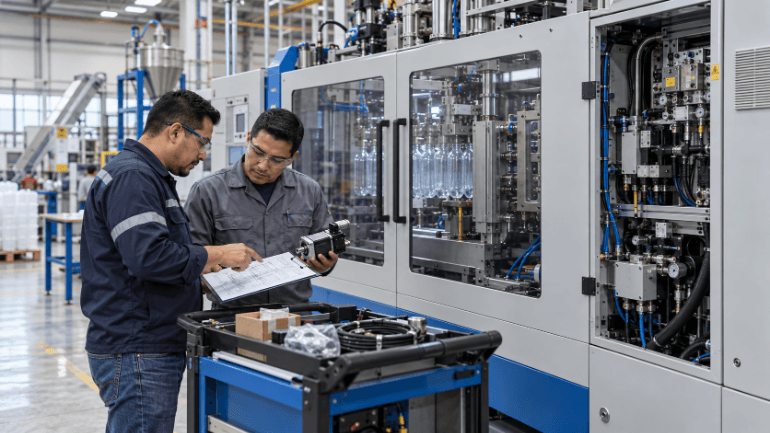
Before You Buy, Ask Who Keeps It Running
More of the messages Mexican buyers send PRM-TAIWAN are now about keeping the machines they already own running. Here is what they asked for, and three questions to bring to the booth. Last November, a plant in northern Mexico sent us a short message. One of its blow molding machines needed repair. They weren't asking for a quote. They wanted a technician, in Mexico or the United States, and they wanted to know who to call. Messages about machines already on the floor are becoming common. Over the past year, more than one in four inquiries we received from Mexico concerned equipment the buyer already owned. A year earlier, it was fewer than one in six.
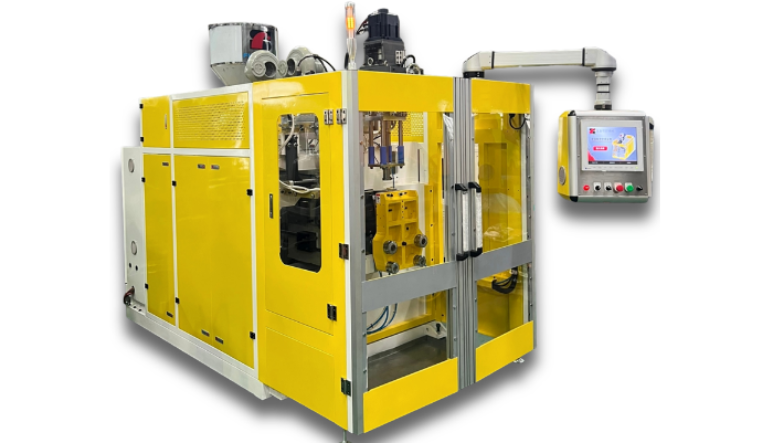
All-Electric Blow Molding machine. FS-45HSSO-E for making 1L Medical or Shampoo bottles
FS-45HSSO -E Machine Overview High-Durability Extruder: 55mm plasticized SACM 645 steel screw, nitrogen-treated for superior heat and wear resistance. Optimized Capacity: Designed for bottles up to 1000ml. Intuitive Control: 15-inch user-friendly Fuji Touch Screen HMI. High Production Capacity: Delivering approximately 450-500 pcs/hour. Fully Automated Production: Ready for continuous, hands-free operation. Versatile Customization: Optional view stripe function and multi-layer co-extrusion capabilities available.
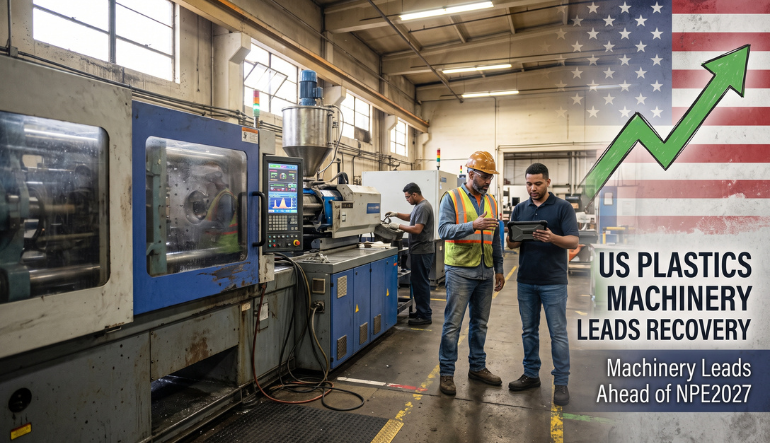
US Plastics Heads Toward NPE2027: Machinery Leads the Recovery as PFAS Rules Stay Unsettled
The US plastics industry will arrive at NPE2027 in Orlando next May in better shape than it has been in some time. But two forces are pulling in different directions: a production recovery led by machinery, and growing uncertainty over PFAS in plastic containers.
 | PRM-Taiwan_1791955837.png)
Natural Rubber Prices Hit a 10-Year High: What Tire and Rubber Product Makers Can Do Now
Natural rubber reached 265 U.S. cents per kilogram on October 12, up 6.5% in one month and its highest price in a decade, according to Trading Economics. The rally had been building for weeks. Futures traded around 240 US cents per kilogram on September 1, near 2013 highs, and Malaysia’s SMR 20 grade reached its highest level since February 15, 2017.
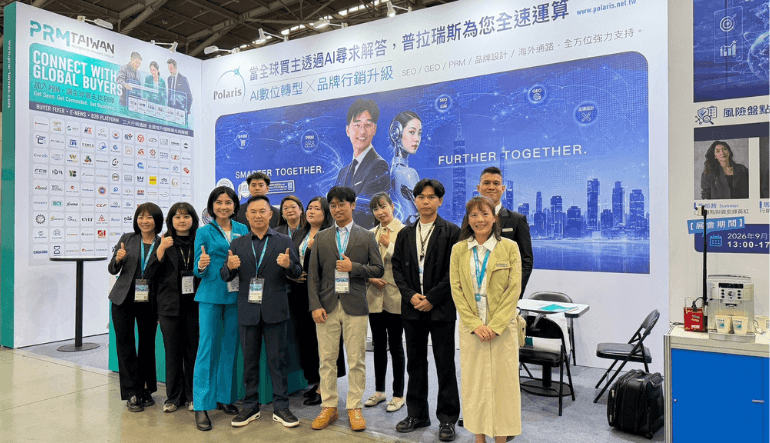
TaipeiPLAS 2026 Floor Report | AI, Circular Manufacturing and Global Markets Reshape Taiwan’s Plastics Industry
TaipeiPLAS 2026, the Taiwan's No.1 International Plastics & Rubber Industry Show, returned to Nangang Exhibition Center, Hall 1, during September 15 to 19 under the theme “Form to Future.”Across the show floor, one message was clear: competition in the plastics and rubber industry is no longer defined by machine speed, output and price alone.
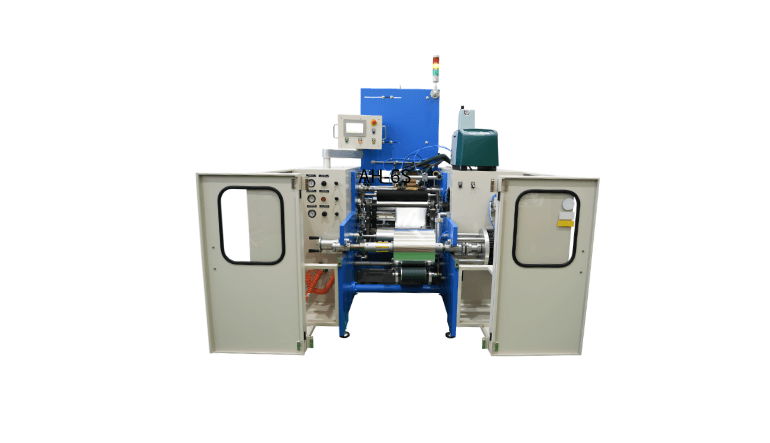
Aluminum Foil and Cling Film Rewinding Solutions: From Flexible Production to Automated Packaging
Compare automatic and semi-automatic aluminum foil and cling film rewinders, finished roll processing, and shrink film packaging solutions.
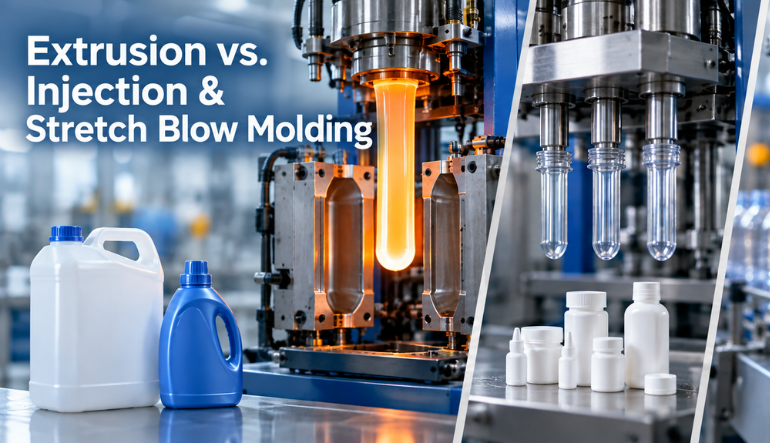
Extrusion vs. Injection & Stretch Blow Molding: Which Machine Fits Your Bottle or Container?
A shampoo bottle, a two-liter soda bottle, and a 20-liter jerry can are all made by "blow molding" — but almost none of the machinery behind them is interchangeable. The soda bottle needs a process precise enough to survive carbonation pressure and stay crystal clear. The jerry can needs a process that can handle an oddly shaped, handle-equipped container nobody would ever try to injection mold. Same broad category of machine, three genuinely different ways of building it.
Top 6 Biodegradable Film Blowing Machine Manufacturers for 2026
Compare 4 biodegradable film blowing machine manufacturers for 2026, each with documented material evidence: JANDI'S, KANG CHYAU, Reifenhäuser and W&H.
Top 10 PVC Extrusion Machine Manufacturers for 2026
Compare 10 PVC extrusion machine manufacturers for 2026: TWIN SCREW and CHEN YU from Taiwan plus KraussMaffei, battenfeld-cincinnati, Bausano and Theysohn.

92% of Buyers Ask Only Once — What 2,009 Inquiries Reveal About the Market
Three in the morning, Taiwan time. An inquiry arrives in the PRM-TAIWAN system. The buyer is a flexible packaging plant in Pakistan, looking for a bag making machine. If you had to compress the past year’s shift in platform demand into a single message, this one comes close: over the past twelve months Pakistan recorded the largest increase in inquiries of any market, and among individual machine types bag making machines drew the most.